


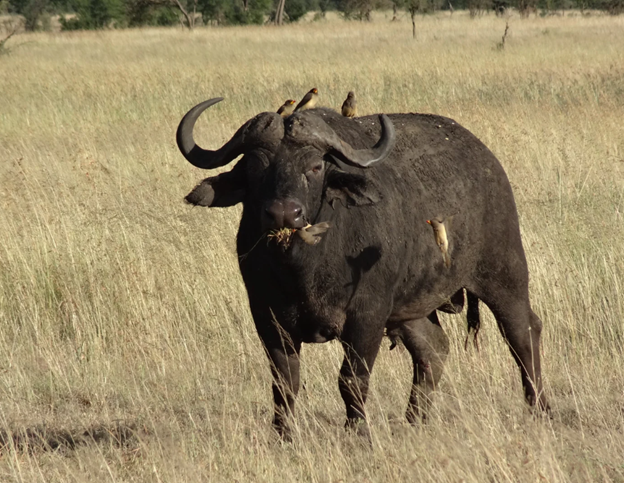
Why It Matters: African “Big 5 trophy” bans would ban the import of products from the “Big 5” African animals (which includes elephants, cape buffalo, rhinoceros, and more). Conservation of these species is far more complicated in Africa than our own practices in the USA. Simply put, if these animals (and others) lose their monetary value, locals no longer have an incentive to conserve and maintain populations resulting in unchecked harvest and the categorizing of many as vermin and nuisance animals. Last year, the Congressional Sportsmen’s Foundation (CSF) weighed in on the bill, encouraging legislators to not move S 5014 forward. CSF once again engaged ahead of the first report on February 24, encouraging members to oppose the legislation, and will continue to do so through the remainder of the legislative process.
Highlights:
- On February 26, the New York State Senate Committee on Environmental Protection and Conservation advanced Senate Bill 5014 (S 5014) – Big Five Trophies Act.
- Due to funding provided by international hunters, African wildlife management plans are successfully rebuilding and conserving animal populations such as the white rhino and many other species.
- African nations should be allowed to utilize their own determinations on how best to provide for their conservation efforts and utilize their resources.
- Legislative decisions, much less those which would impact foreign nations, deserve to be discussed and deliberated with public input – including, in this instance, the international voices of those that would be most severely impacted.
Revenue generated by licensed, regulated hunting is the single most important source of funding for conservation and anti-poaching efforts in Africa. In many southern and eastern African countries, revenues generated from legal hunting are the primary source of management, conservation, and anti-poaching funds for national wildlife authorities. This funding has helped recover or maintain “Big 5” populations in southern and eastern Africa. Moreover, these same monies often provide the necessary funds to establish agricultural or aquacultural facilities, build schools, and more – all of which result in real and tangible improvements in life for rural communities.
Preventing hunters from importing harvested animals is intended to discourage them from hunting in Africa, which would deprive African wildlife authorities and communities of essential income. Laws banning the importation of “Big 5” species undermine conservation, adversely affect sportsmen and women in the U.S., and eliminate benefits for many African people living in the poorest and most remote areas.
In 2016, a U.S. Federal Court knocked down a similar bill passed by the New Jersey Legislature due to conflict with the Endangered Species Act, stating that, “The Order prohibits the enforcement of the ban against activities authorized by federal law, regulation, or permit.” Similarly, another attempt to ban trophies in 2018 passed with significant legislative support in California, but was then vetoed by Governor Jerry Brown, who stated that the ban would be “unenforceable” due to the legal precedent established in New Jersey two years prior.
In 2021, Connecticut saw legislation (S. 925) that would have prohibited the import, sale, and possession of items from legally hunted African species, but a CSF-supported floor amendment was offered and ultimately adopted into the final bill language that created a carveout for lawfully harvested animals. The amendment read as follows: “The provisions of subsection (b) of this section shall not apply if the possession of such specimen of a big six African species is expressly authorized by any federal law or permit.”
Bans on the importation of “Big 5” species from Africa are as misleading as they are ineffective. Legislators should consider that, although proponents claim these bans are meant to protect African game species, in practice, they deprive African nations of the resources needed to mount effective anti-poaching and conservation efforts that are primarily funded by the harvest of a small number of animals. While S 5014 has advanced in the legislative process to the third reading calendar, there is still time to engage and encourage legislators to oppose the bill. If no further action is taken, S 5014 can remain on the calendar indefinitely. CSF will continue working with New York Sportsmen’s Legislative Caucus members to educate fellow legislators on the impact this ban would have beyond New York’s border.
Related Policy
Summary Certain states have sought to restrict the importation of legally harvested game animals, particularly...


