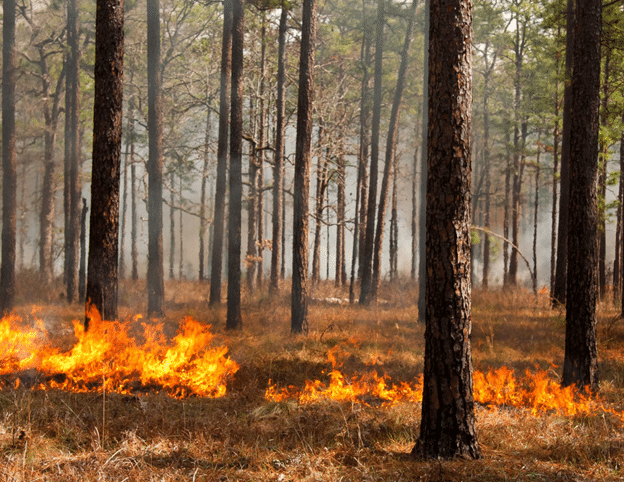
Introduction Prescribed fire, also known as a controlled burn, is a planned, intentional fire in a specific geographic area used to meet land management goals.[1] Prescribed fire reduces hazardous fuels which decreases severe wildfire risk, minimizes the spread of insects and disease, controls invasive species, and promotes the regeneration and recruitment of desired species by …
Introduction Merchant Category Codes (MCCs) are four-digit identifiers used by payment networks to broadly categorize a merchant’s line of business (e.g., grocery, hardware, sporting goods). Recently, the creation and contemplated use of a firearm-specific MCC has raised concerns that financial institutions could flag, track, and/or halt lawful purchases by hunters and recreational shooters. To protect …
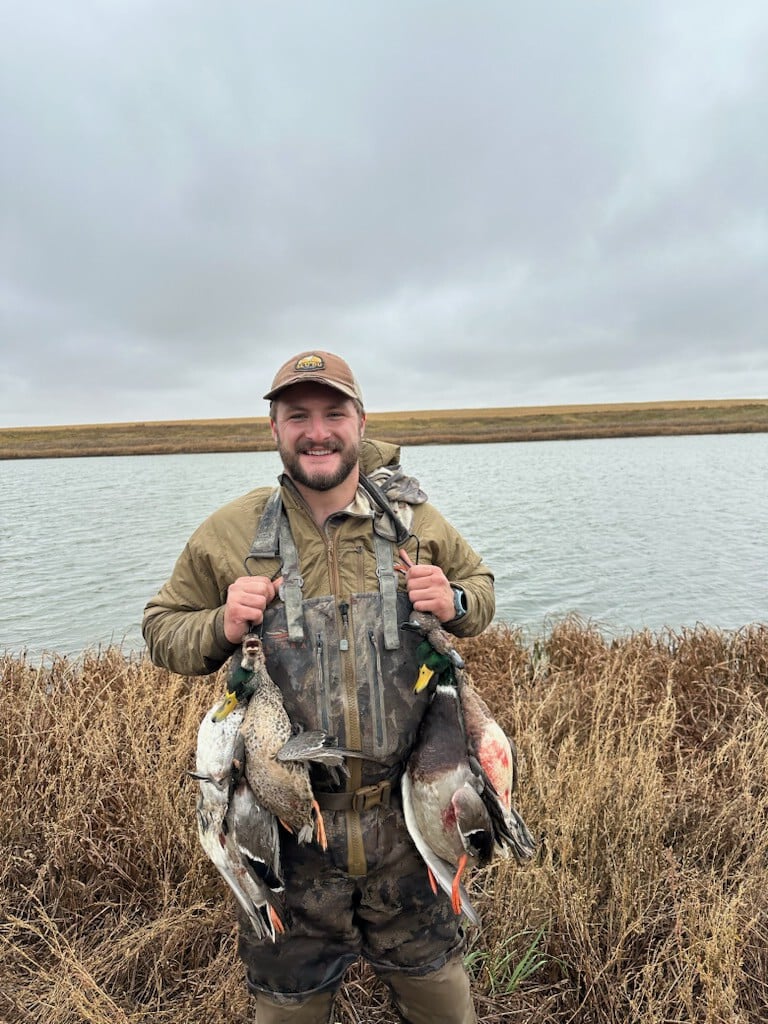
The Congressional Sportsmen’s Foundation (CSF) announced today that Nate Serlin has joined the organization as the Rocky Mountain States Coordinator. In this role, Nate will work closely with the state legislative sportsmen’s caucuses under the National Assembly of Sportsmen’s Caucuses (NASC) and members of the Governors Sportsmen’s Caucus (GSC) in Colorado, Idaho, Montana, New Mexico, and Wyoming to protect …
CSF Welcomes New Rocky Mountain States Coordinator Read More »
Why It Matters: The Montana Fish and Wildlife Commission’s October 9, 2025, virtual meeting addressed current threats to wildlife health, habitat integrity, and hunting season frameworks. These decisions directly influence hunting opportunities, population sustainability, and access for sportsmen and women across the state. By prioritizing science-based adjustments and public input, the Commission reinforces Montana’s commitment …
Why It Matters: Voluntary conservation agreements are valuable tools for conserving private working forests that support fish and wildlife habitat. Combined, both phases of the Montana Great Outdoors Conservation Easement conserves more than 85,000 acres where sustainable forest management will continue to benefit forest health, wildlife habitat, and the economy. Notably and not common for …
CSF-Supported Conservation Easement on Large Working Forest in Montana Approved Read More »
Why It Matters: The Montana Fish Wildlife and Parks (MFWP) Commission’s August 21, 2025 meeting finalized regulations for the for the 2025-2026 hunting, fishing, and trapping seasons, along with considerations of several land and water projects shaping both management and public access plans for the coming year. Highlights: The Commission took the Future Fisheries Improvement …
Montana Fish Wildlife and Parks Finalizes 2025-2026 Wildlife and Fisheries Regulations Read More »
Why It Matters: Montana’s 2025 legislative session delivered key victories for hunters, anglers, and trappers by enhancing the state’s Block Management Program, bolstering public access to private lands. Three bills, all sponsored by Montana Legislative Sportsmen Caucus Co-chairs, worked to address the critical issue of land access and sportsmen/landowner relations. Highlights: Caucus Co-Chair Representative Joshua …
Montana Bolsters Public Access with 2025 Legislative Wins for Sportsmen Read More »
Why It Matters: Without active management, forest health and wildlife habitat will decline as insects, drought, and other stressors reduce stand vigor while the risk for severe wildfire will increase, threatening nearby private lands as well as the winter range habitat that the wildlife management area provides for big game species important to Montana’s hunters …
CSF Supports Habitat Improvement Project on Montana Wildlife Management Area Read More »
Why It Matters: Prescribed fire is one of the most efficient and cost-effective tools used for forest and wildlife habitat managers across the United States. However, the dangers associated with the use of fire, along with the public’s conflation between prescribed burning and devastating wildfires, can make its use intimidating to those who lack professional …
Certified Burner Program Proposed in Big Sky Country Read More »
Why It Matters: The Montana Fish and Wildlife Commission was directed by a recent decision out of the ninth circuit court of appeals to adjust wolf trapping seasons within the court-established geographic area. These changes are a result of the court finding that wolf trapping and snaring could pose a “reasonable risk” to ESA listed …