
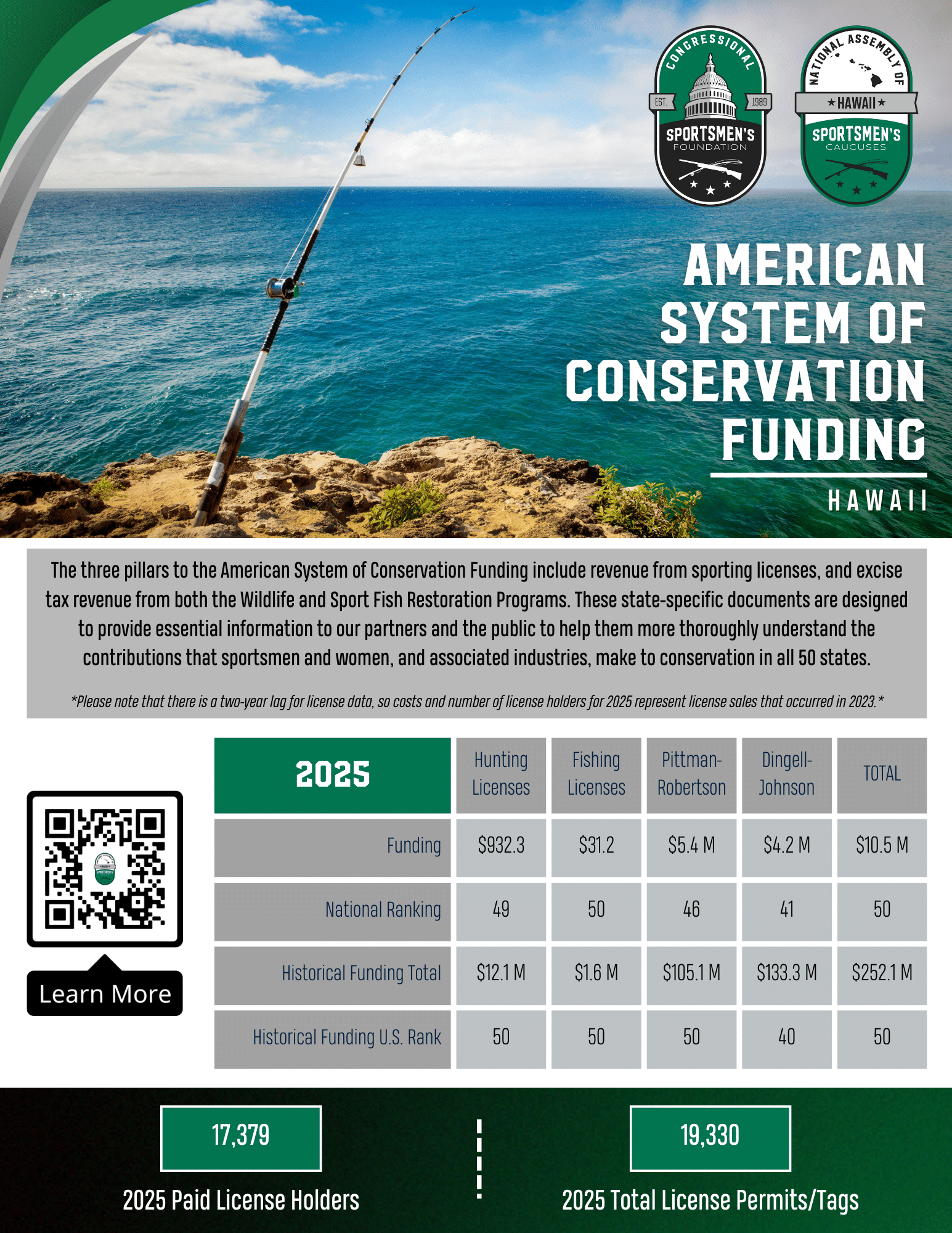
State: HI
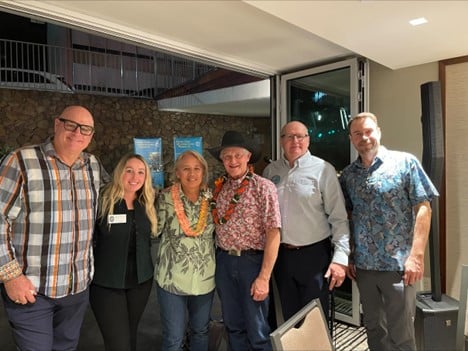
Hawaii’s Outdoor Heritage Caucus Brings Sportsmen to the Table
Why It Matters: The National Assembly of Sportsmen’s Caucuses (NASC) unites state legislators from across the nation under the NASC umbrella. While many of the focal topics are similar, each state is unique in some ways, making the diverse tools provided by the NASC network an important bridge for policymakers. Hawaii has an exceptionally unique set of…
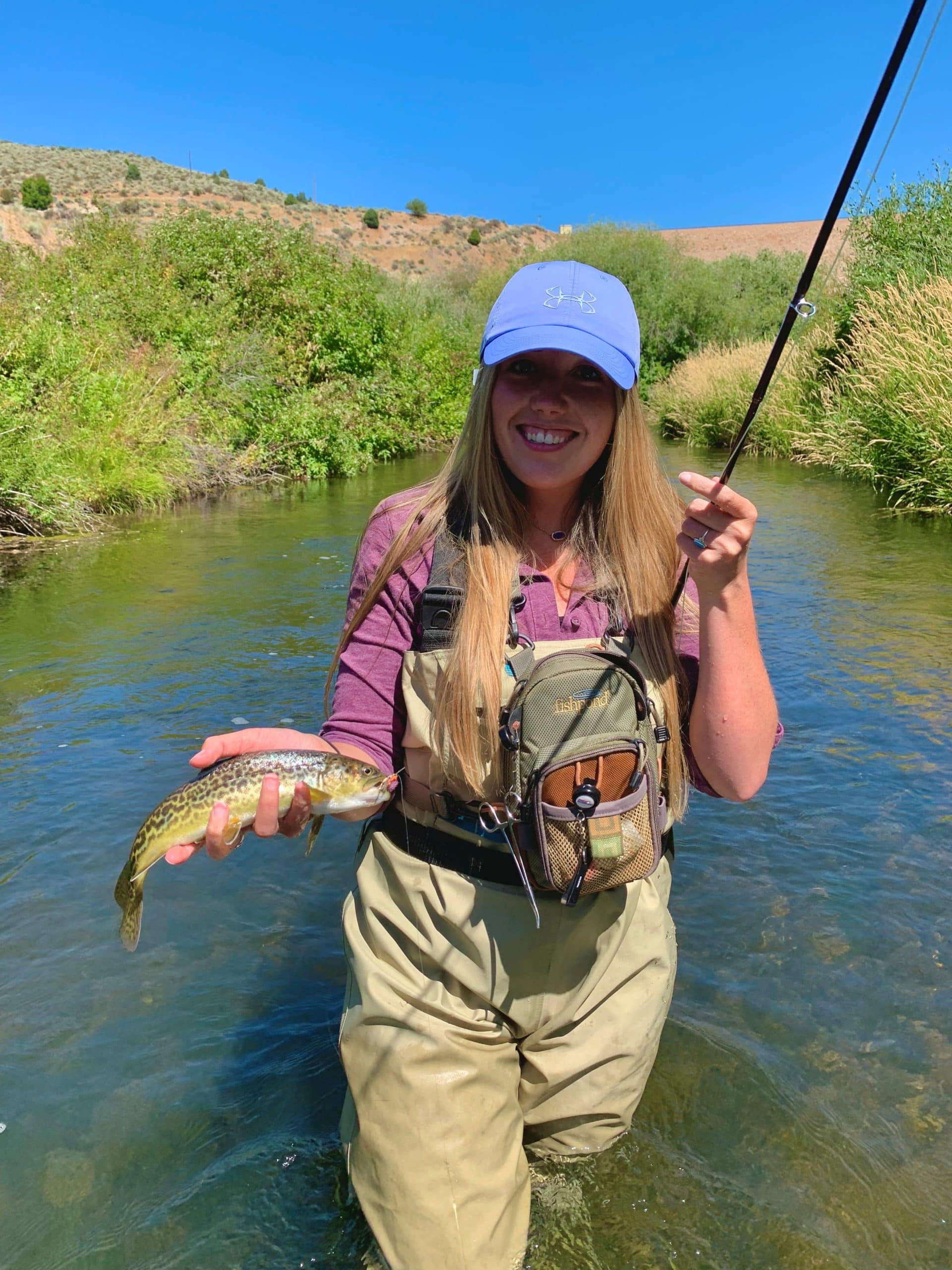
CSF Welcomes New Southwestern States Coordinator
The Congressional Sportsmen’s Foundation (CSF) announced today that Kaylee Mortensen has joined the organization as the Southwestern States Coordinator. In this role, Kaylee will work closely with the state legislative sportsmen’s caucuses under the National Assembly of Sportsmen’s Caucuses (NASC) and members of the Governors Sportsmen’s Caucus (GSC) in Arizona, California, Hawaii, Nevada, and Utah…

Advancing Sustainable Game Management: Insights from Hawaii’s GMAC Meeting
Why It Matters: The Hawaii Department of Land and Natural Resources’ (DLNR) Game Management Advisory Commission (GMAC) plays a pivotal role in shaping policies that balance wildlife conservation with recreational hunting opportunities. As Hawaii grapples with ever-increasing ungulate populations and their impacts on native ecosystems, the Commission’s recent discussions highlight the need for data-driven, science-based…
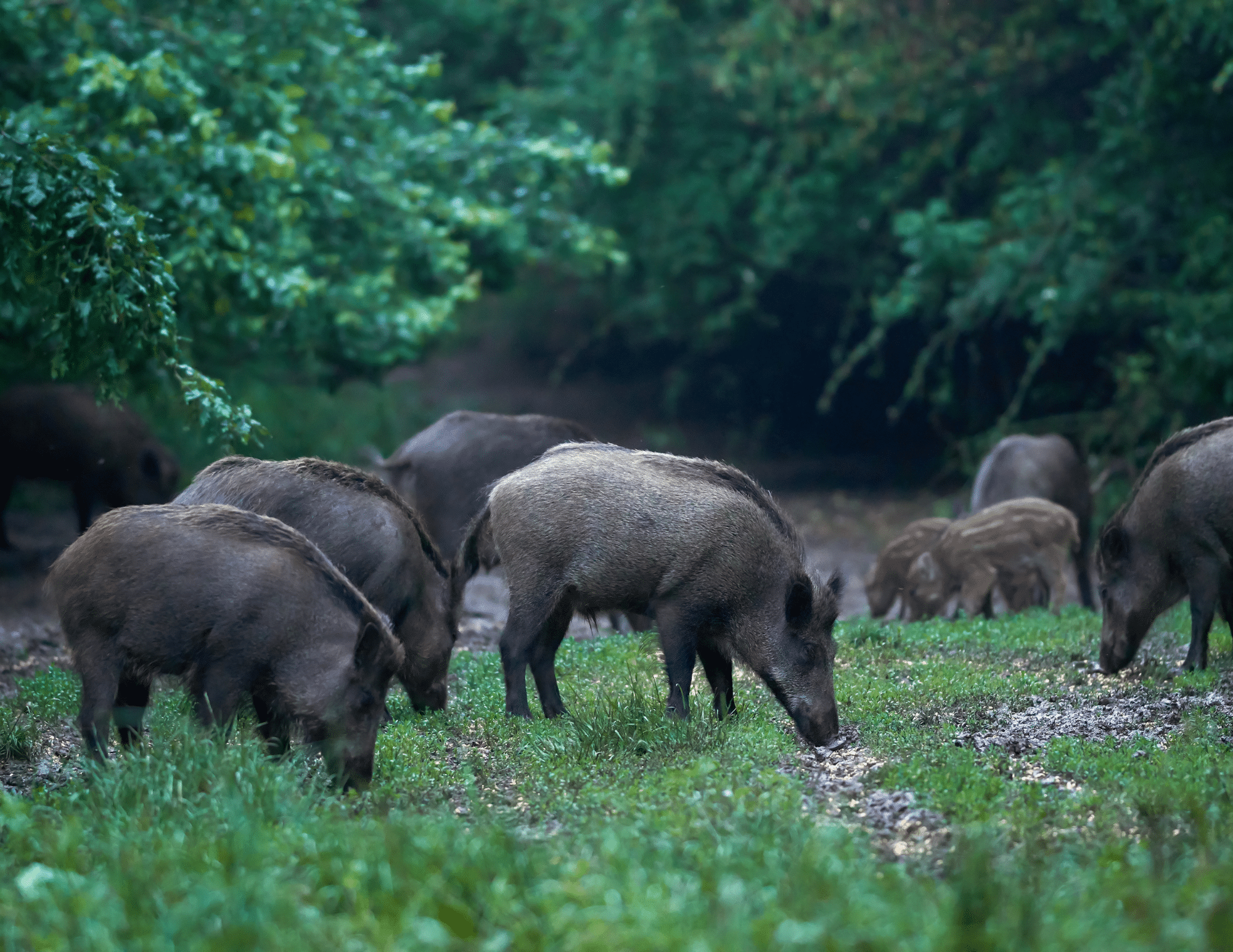
Hawai’i’s Ka’ohe GMA Hunting Season: A Conservation Opportunity
Why It Matters: The 2025 Ka’ohe Game Management Area (GMA) hunting season empowers sportsmen and women to manage invasive species, while protecting native ecosystems and providing sporting opportunity. By targeting feral species, hunters support the critically endangered palila, aligning with conservation goals. Highlights: The GMA hunting season runs July 3 – August 31, 2025, for…
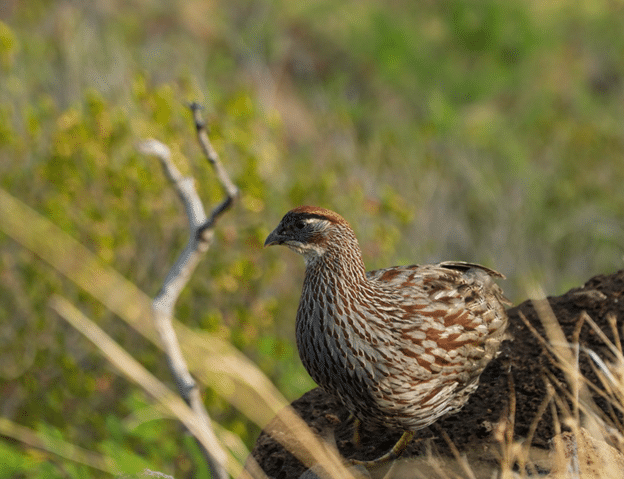
Hawai’i DLNR Announces Wildlife Conservation and Game Bird Stamp Contest Winners
Why It Matters: The Hawai’i Wildlife Conservation and Game Bird Stamp Art Contest highlights the intersection between art, hunting, and conservation. Showcasing native and introduced species while supporting critical wildlife management programs, funds from stamp sales directly bolster Hawai’i’s Wildlife Revolving Fund, ensuring sustainable habitats and hunting opportunities for future generations. The initiative underscores the…
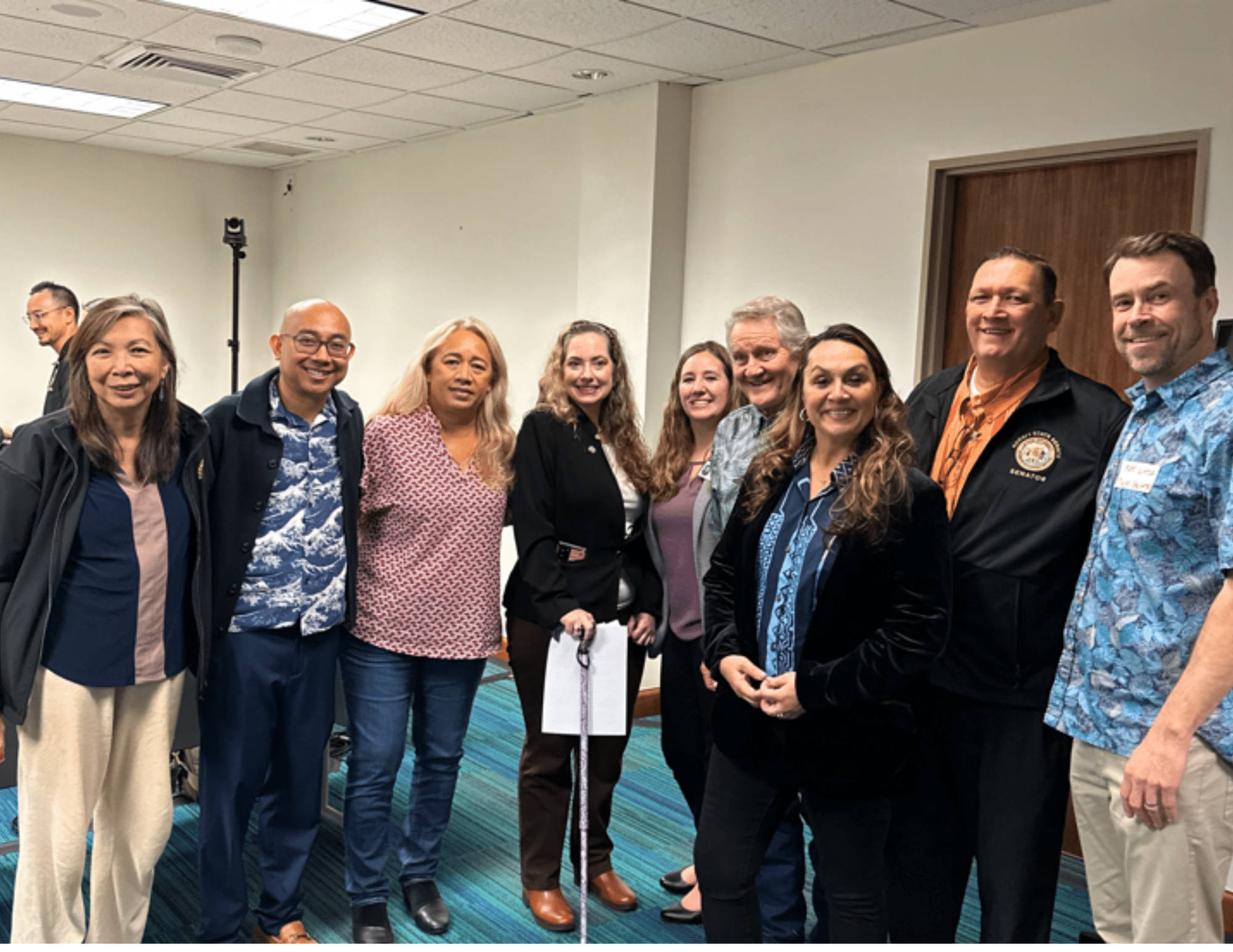
Hawaii Legislative Outdoor Heritage Caucus Celebrates Sportsmen’s Heritage
Why It Matters: The National Assembly of Sportsmen’s Caucuses (NASC) unites state legislators from across the nation under the NASC umbrella. While many of the focal topics are similar, each state is unique in some ways, making the diverse tools provided by the NASC network an important bridge for policy makers. Hawaii has an exceptionally…
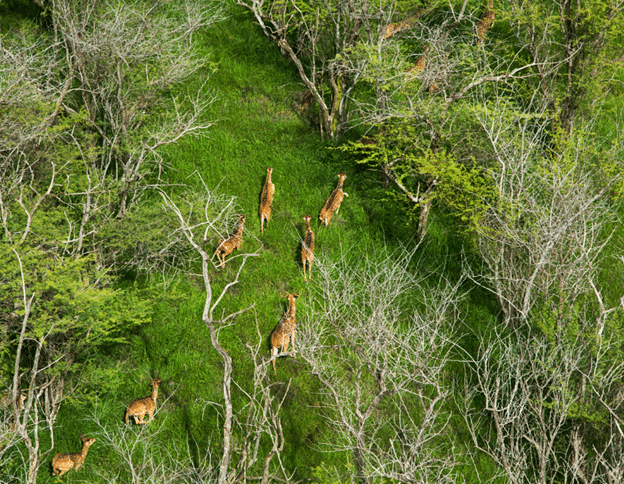
Axis Deer Control on Maui Nui
Why It Matters: If they are left unmanaged, axis deer populations can grow to unsustainable rates on Maui Nui, harming the local watersheds and native wildlife and their habitat. Maui Nui, consisting of the Maui County islands of Maui, Lana’l, Moloka’I and Kaho’olawe, has experienced large populations of axis deer leading to several emergency proclamations…
Federal Land Hunting & Angling Access
Many sportsmen and women depend on federal lands managed by agencies such as the U.S. Forest Service, Bureau of Land Management and U.S. Fish and Wildlife Service for access to activities like hunting, fishing and recreational shooting. As these agencies develop strategies to manage federal lands, it is critical for those who support these activities…
30×30: Recognizing Sportsmen’s Contributions to Conservation
Concerned about the uncertainty that 30×30 policies may pose for hunting and fishing access, the sportsmen’s community issued the Hunting and Fishing Community Statement on the 30 by 30 Initiative. This statement recognizes and embraces the overlap between the sportsmen’s community’s collective work to conserve fish and wildlife species and their habitats and the establishment…

Federal Land Habitat Management
Properly managed wildlife habitat is essential for supporting sustainable and healthy wildlife populations. Well-managed lands containvarious successional stages that provide a diversity of habitats capable of supporting a diversity of wildlife. On federal lands, however, young forests and other early seral habitats are often underrepresented. The most efficient method to improve wildlife habitat is through…