
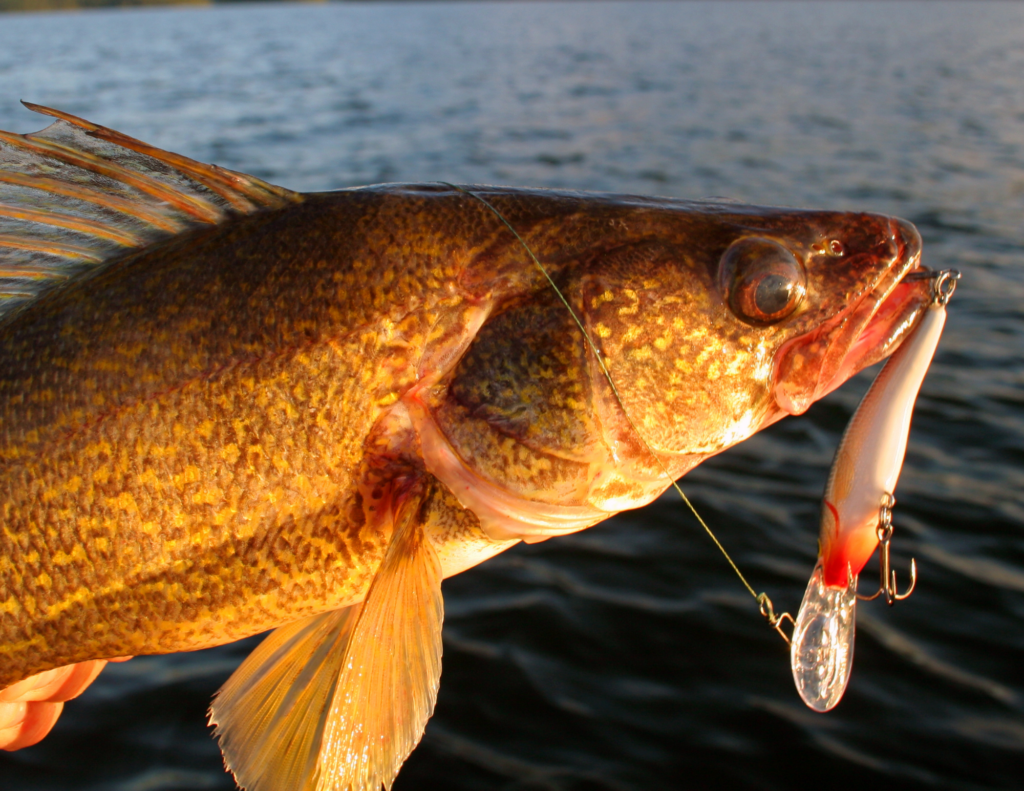
Why It Matters: Expanding commercial fishing efforts that use indiscriminate gear such as gill nets stands to repeat the harm done by commercial overharvest in the Great Lakes during the twentieth century, damaging Michigan’s fisheries resources, its recreational fishing opportunities, and its outdoor economy.
Highlights:
- House Bills 5801 and 5802 would expand commercial harvest of walleye, yellow perch, and lake trout using commercial gear including gill nets.
- The bills received hearings last month in the House Committee on Natural Resources and Tourism.
- The Congressional Sportsmen’s Foundation (CSF) submitted testimony opposing the bills and emphasized the harmful impact it would have on one of the nation’s most important sport fisheries.
If passed, Michigan House Bills 5801 and 5802 would expand commercial fishing efforts and jeopardize the health of the fishery, hurting both recreational fishing and the strong economy that it supports. Michigan’s recreational fishing economy generates approximately $3.9 billion annually, including roughly $2.7 billion tied directly to Great Lakes recreational fishing activity, while the commercial fishing industry generates only a small fraction of that economic value, at just $5.4 million annually.
In the Great Lakes, commercial overharvest drove lake trout and other species to near-extirpation during the twentieth century, with gill nets being a primary method of harvest. Gill nets are widely regarded as “dirty” fishing gear because they do not selectively harvest only the intended species. Instead, they indiscriminately capture fish of similar size classes, often resulting in unnecessary bycatch and mortality of non-target species. This type of fishing gear is fundamentally inconsistent with modern fisheries conservation principles and risks undermining decades of successful restoration efforts.
In addition to expanding commercial harvest for currently harvested species, this legislation would establish crappie as a commercially exploitable fish. Crappie are prohibited from being commercially harvested throughout the rest of the United States, as they are a highly valued recreational sport fish species and are vulnerable to overexploitation. The bills would also prioritize “market demand for human consumption” and commercial profitability when determining harvest opportunities. Recreational fisheries provide the public with significantly more economic, social, and conservation value than they would if managed as a commercial commodity.
Unfortunately, this is now two consecutive legislative sessions that Michigan has considered similar legislation. The Congressional Sportsmen’s Foundation will continue to oppose this harmful framework that jeopardizes one of the state’s most valuable resources, risking repeating mistakes of the past and the economic engine that is recreational fishing and tourism.