
[ Overview ]
Advancing Science-Based Fisheries Policy
CSF advances science-based fisheries policy at both the federal and state levels to protect angler access, conserve marine and inland fish populations, and strengthen the economic and conservation impact of recreational fishing nationwide.
Fishery Policy Priorities
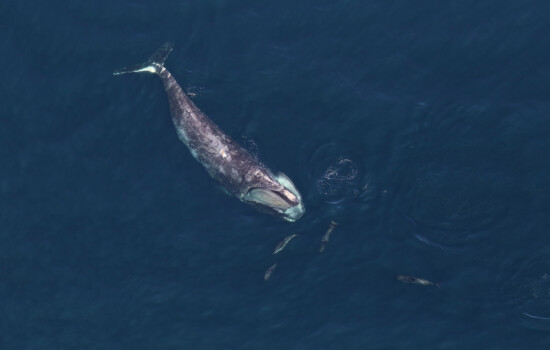
Vessel Speed Rules to Protect Whales
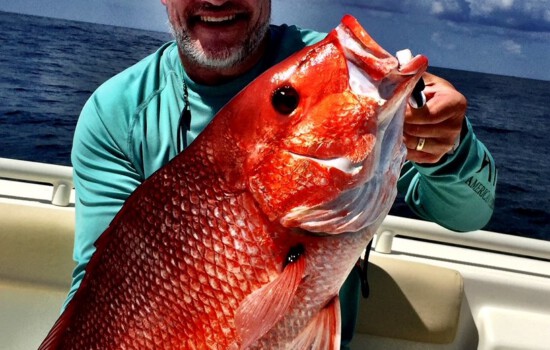
South Atlantic Red Snapper Management
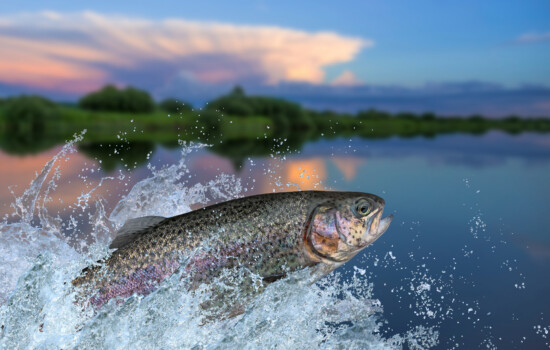
Considering Recreational Angling Access in Transportation Projects
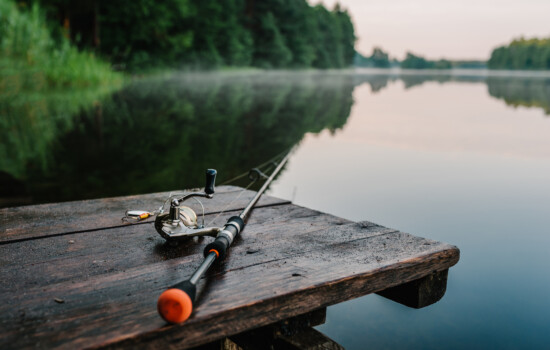
Federal Land Hunting & Angling Access
Fishery Latest News
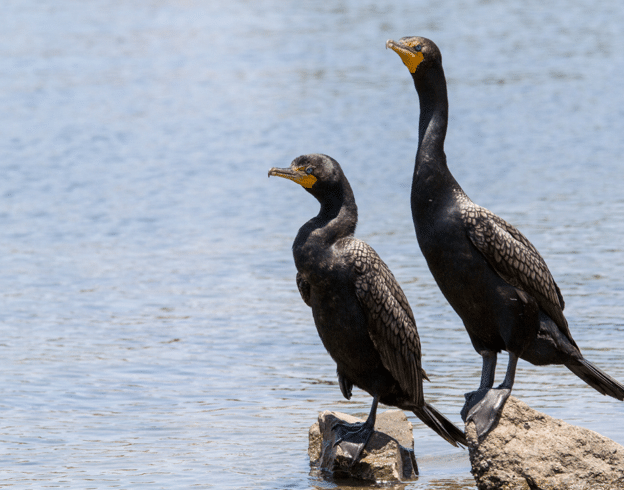
Cormorant Management Bill Introduced in the Senate, Advances in the House
Why It Matters: Overabundant double-crested cormorant populations can create localized challenges for fisheries, aquaculture facilities, and riparian habitats. Companion legislation now in both chambers of the U.S. Congress would give states more flexibility to address those impacts within a framework designed to maintain overall cormorant populations at healthy levels. Highlights: Senators Cruz and Britt introduced […]
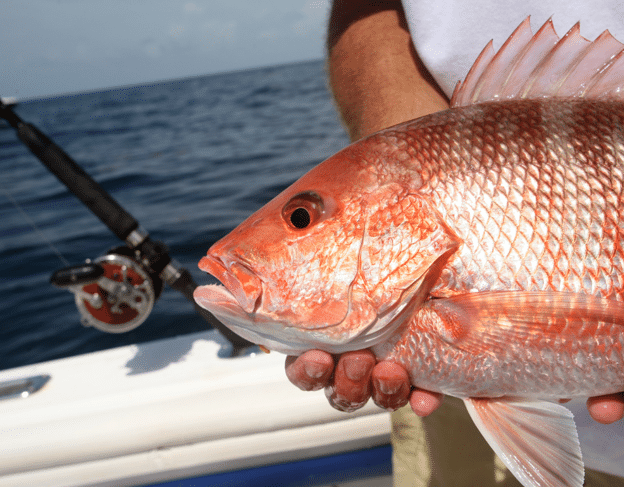
South Atlantic Red Snapper Permits Approved, Opening Door to Longer Seasons and Better Data
Why It Matters: NOAA Fisheries has approved the latest round of exempted fishing permits (EFPs) for Florida, Georgia, and South Carolina, giving eligible anglers an opportunity to fish for South Atlantic red snapper beyond the three-day federal season while testing new state-led data collection methods. The information gathered on fishing effort, harvest, and discards will […]
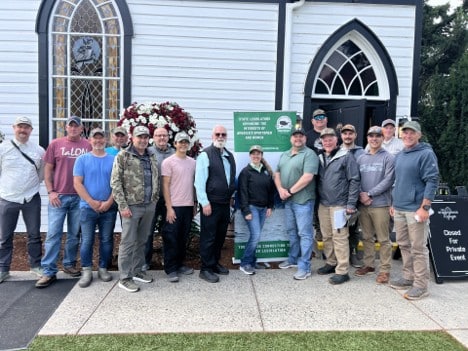
Fishing and Policy Collaboration on the Columbia River
Why It Matters: Shared rivers demand shared decisions. The Columbia River is managed across two states, two legislatures, and two fish and wildlife agencies, and the outcome of the decisions made by those entities determines whether salmon season stays open for the families who fish on the Columbia River each year. The Oregon and Washington […]
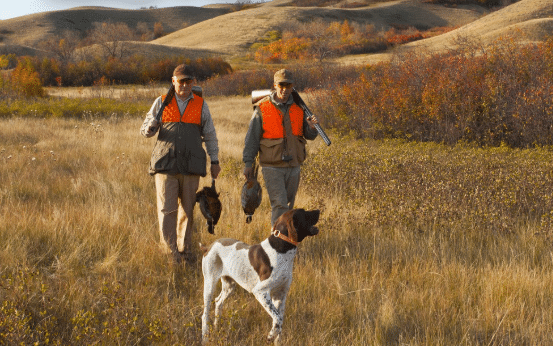
National Hunting and Fishing Day 2026: America’s Sportsmen and Women Celebrate 250 Years of Outdoor Heritage
September 28, 2026 – WASHINGTON, D.C. – On Saturday, September 26, the nation came together to celebrate National Hunting and Fishing Day (NHF Day), recognizing the contributions of America’s sportsmen and women and the critical role they have played in conserving the nation’s fish, wildlife, habitat, and outdoor heritage. Established by Congress in 1971 and […]