
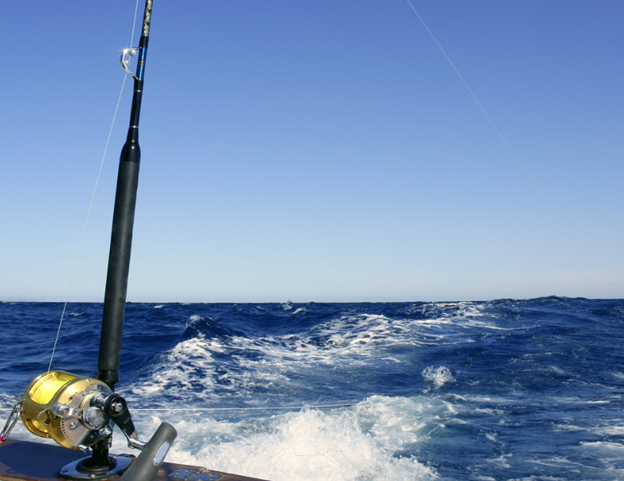
Why It Matters: The Congressional Sportsmen’s Foundation (CSF) opposed a previously proposed rule that would have effectively closed access for offshore anglers fishing on vessels 35 feet or longer along the Atlantic coast for much of the year to protect North Atlantic right whales. That proposed rule was seemingly developed in a vacuum without any input from affected stakeholders and, after considerable pressure from CSF, the fishing and boating community at large, and others, was withdrawn in early 2025. Fortunately, a newly announced Advance Notice of Proposed Rulemaking (ANPRM) by the National Oceanic and Atmospheric Administration (NOAA) will allow anglers, boaters, and coastal communities an opportunity to help shape practical solutions that protect whales while maintaining safe access to the water.
Highlights:
- The ANPRM invites public input on modernizing the vessel strike reduction rule, including the use of new technologies and improved risk assessments.
- Recreational anglers and boaters now have a meaningful opportunity to help develop solutions that improve whale conservation while maintaining safety and access on the water.
Last week, NOAA issued an Advance Notice of Proposed Rulemaking to review and potentially modernize the North Atlantic Right Whale Vessel Strike Reduction Rule, which is an important step toward improving conservation outcomes while ensuring that stakeholders are part of the process. The existing rule, first implemented in 2008, requires most vessels 65 feet or longer to travel at speeds of 10 knots or less in designated seasonal management areas along the Atlantic coast to reduce the risk of vessel strikes with endangered whales. By reopening the rule for review, NOAA is seeking public input on how vessel strike prevention efforts can be updated using better data, improved vessel risk assessments, and emerging technologies.
For the recreational fishing and boating community, the ANPRM represents a welcome opportunity to be part of the solution for conserving the North Atlantic right whale. Previous regulatory efforts proposed during the Biden Administration raised serious concerns among anglers and boaters because they were developed with limited stakeholder engagement, relied on risk modeling that contained questionable assumptions about recreational vessels, and would have required all vessels 35 feet and longer to travel at unsafe speeds of 10 knots as far as 90 miles offshore for up to seven months of the year. As CSF noted in prior testimony to Congress, those assumptions—such as unrealistic vessel draft depths used in collision modeling—likely overstated the risk posed by common recreational fishing vessels and could have led to sweeping speed restrictions that unnecessarily restricted access and harmed coastal economies.
The ANPRM effectively opens the door to innovative approaches already being advanced by the Whale and Vessel Safety (WAVS) Taskforce. These efforts focus on the use of advanced technologies, including real-time whale detection, acoustic monitoring, and vessel notification systems, to alert mariners when whales are present so they can take action to avoid collisions. By combining modern technology with improved data and meaningful stakeholder engagement, anglers and boaters can play a proactive role in protecting both offshore access and endangered large whales while ensuring that conservation solutions are practical, targeted, and effective.
The comment period is open until June 2, and CSF will take advantage of the invitation to present alternative, technology-based solutions that will both protect whales and our opportunities to access offshore fishing along the Atlantic Coast.