
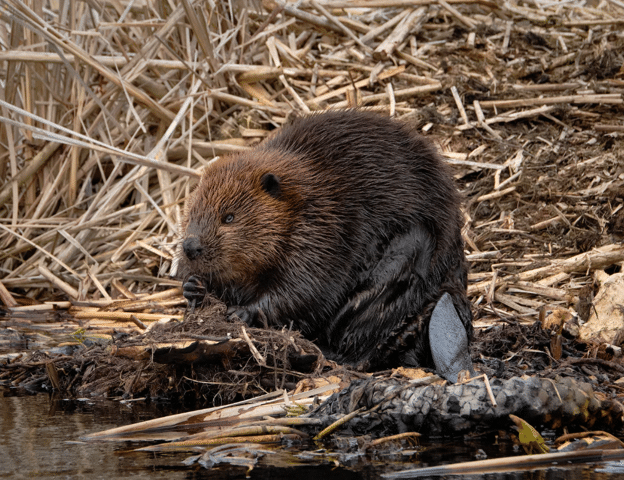
Why It Matters: Colorado’s avocational beaver season opened October 1, and sportsmen and women heading out this year will be working under several new rules adopted by the Colorado Parks and Wildlife (CPW) Commission. Beginning with the 2026–27 season, beaver season has been shortened by one month and now runs October 1 through March 31. A daily bag limit of two now applies to beaver and every other furbearer species in the state and all harvested bobcats, and now beavers, must be presented to CPW for inspection and sealing. These changes are aligned with CPW’s recently finalized Beaver Conservation and Management Strategy and provide more accurate harvest numbers.
Highlights:
- Beaver season now runs October 1 through March 31 annually. The season previously ran through April 30.
- The daily bag limit for all 17 of Colorado’s furbearer species, including beaver, is now two per species per day. Previously, there was no daily limit.
- Beaver harvesters must personally present beaver hides, pelts, or carcasses to CPW for physical inspection and sealing within 30 days after take or within five days after the season closes, whichever comes first. CPW staff will record the precise harvest location at the time of sealing.
- These new mandatory hide/pelt checks do not include beavers that were legally taken under authorized approval (Predatory Animal Control Act or for property damage).
Beavers are among the most impressive ecosystem engineers in Colorado and across North America. Their dams slow and hold water on the landscape, benefiting water tables, streams, and wetlands, as well as the fish and wildlife that depend on the habitat they create. They also frequently come into conflict with people, flooding roads, plugging culverts, and felling trees on private land and around infrastructure. CPW’s new Beaver Conservation and Management Strategy aims to balance those benefits and conflicts through population and habitat monitoring, restoration, and translocation policy. By having hunters and trappers bring beavers in for sealing, CPW can verify where and when each animal was taken, giving managers a more precise picture of harvest across the state.
Changes to furbearer regulations have drawn significant backlash from Colorado’s sportsmen and women, particularly the new daily bag limit. In July, the CPW Commission voted 6–5 to set a limit of two per day for all 17 furbearer species (previously unlimited), lower than any option agency staff presented. Staff testified that furbearer harvest was already at historic lows and well within sustainable levels, and sportsmen’s groups have since filed legal action. The Congressional Sportsmen’s Foundation is tireless in our outreach to decision makers, to ensure that the sportsmen’s voice is well represented and science-based management through the North American model is upheld. In Colorado, CSF submitted both letters and testimony to the commission highlighting the benefits that modern trapping provides for wildlife management and encouraging its use in the state’s wildlife management models.
Every beaver presented to CPW adds to the information biologists use to monitor populations and make decisions about the species, and accurate harvest data is the strongest foundation for revisiting furbearer regulations in the future. For current small game and furbearer harvest regulations, see CPW’s 2026 Small Game Brochure.