
Why It Matters: In 2018, Congress passed legislation to specifically fund wildfire efforts, ending the cycle of “borrowing” from federal agency budgets to address the growing cost of wildfire suppression, mitigation, and recovery. Known as the “Fire Funding Fix,” this investment is set to expire in 2027. Without dedicated wildfire funding, agencies may be forced to return to “fire borrowing” practices to utilize resources from other wildlife, forest, or access management projects, contributing to the growing maintenance backlog on our nation’s public lands.
Highlights:
- Funding for the Wildfire Suppression Operations Reserve Fund, commonly referred to as the “Fire Funding Fix,” is set to expire in 2027.
- The “Fire Funding Fix” ended the cycle of “fire borrowing” in which the U.S. Forest Service and the Department of the Interior were forced to utilize funding from other projects to address increasing needs and costs associated with wildfires.
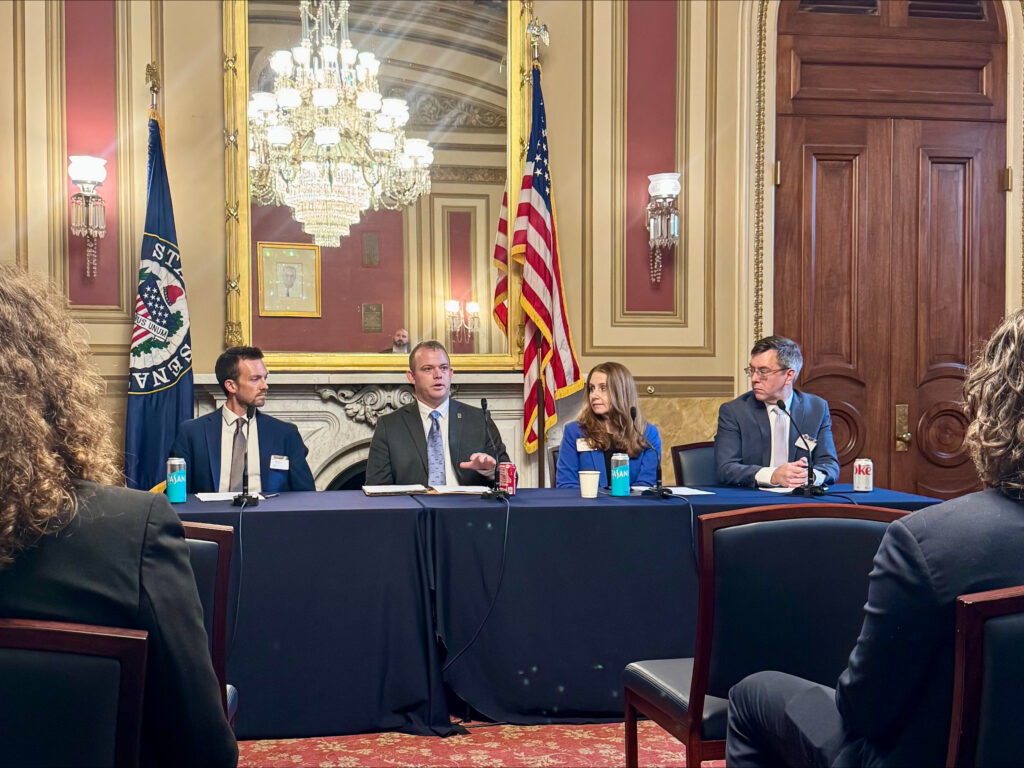
- Last week, the Congressional Sportsmen’s Foundation (CSF) was a featured panelist during a Congressional briefing to raise awareness about the need to reauthorize the “Fire Funding Fix” to both address wildfire needs and protect funding for other important management projects.
On September 17th, Kent Keene, the Congressional Sportsmen’s Foundation’s Senior Manager of Working Lands Policy, participated as a panelist during a Congressional briefing in support of reauthorizing the Wildfire Suppression Operations Reserve Fund. This fund, also commonly referred to as the “Fire Funding Fix,” was authorized by Congress in 2018, ending the cycle of “fire borrowing” in which the U.S. Forest Service and the Department of the Interior diverted funding from other projects to address the increasing costs associated with wildfires.
As the panel’s representative for sportsmen and women, CSF’s support for the “Fire Funding Fix” highlighted the impacts that “fire borrowing” and the increasing costs of wildfire suppression had on the growing maintenance backlog on our nation’s public lands. Sportsmen and women know firsthand that reduced management can concentrate game in small pockets of suitable habitat or drive them to private property. This contributes to the increasing perception of competition among hunters that can decrease overall hunting satisfaction and impact participation rates. For anglers, particularly those who pursue cold-water species like trout and salmon in the West, lapsed management, combined with wildfires, can increase erosion risk and degrade aquatic ecosystems and their associated fisheries.
The “Fire Funding Fix”, by itself, is not the solution to the growing maintenance backlog on our federal lands, but it does represent an important piece of that puzzle. By providing a dedicated reserve, the “Fix” allows other laws, like the Great American Outdoors Act, to fulfill their role all in support of healthy, well managed public lands. As such, CSF will continue to support its reauthorization as a priority ahead of its 2027 expiration.