
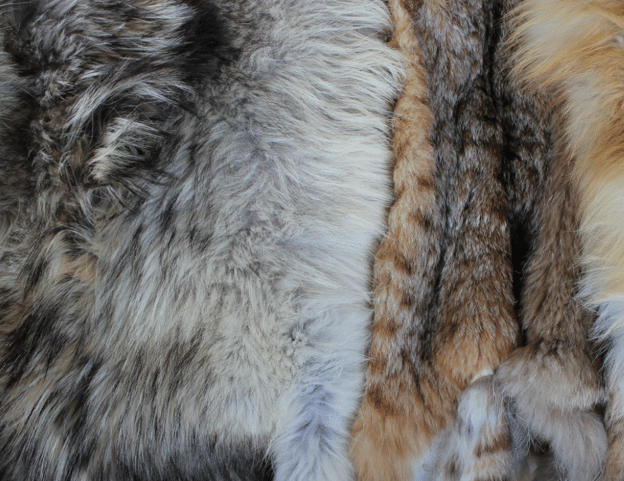
Why It Matters: Across the Great Plains, furbearer trapping remains an important outdoor tradition and wildlife management tool, providing sportsmen and women with additional opportunities to support conservation funding and population management efforts. As trapping seasons get underway, it is important to recognize the role that legal, regulated trapping plays in maintaining healthy wildlife populations and conserving our outdoor heritage.
Highlights:
- Furbearer trapping seasons are set to open in the coming weeks across the Great Plains.
- Trapping plays an important role in our outdoor sporting heritage and supports wildlife conservation efforts conducted by state fish and wildlife agencies.
- State fish and wildlife agencies offer opportunities for new and existing trappers to learn safe and ethical trapping practices.
As temperatures begin to cool across the Great Plains, trappers are preparing for the furbearer seasons. While trapping is often recognized for its longstanding role in our outdoor heritage, it also serves as an important wildlife management tool. Trapping provides valuable services to state fish and wildlife agencies by helping manage furbearer populations that are often difficult to manage by other methods, such as hunting, while assisting with wildlife research and conservation efforts.
Despite the important role trapping plays in our outdoor sporting heritage and wildlife management, the practice continues to face legislative and regulatory challenges in many parts of the country. Efforts to restrict trapping methods, prohibit certain types of traps, and limit the ability to utilize harvested furbearers can negatively impact the ability for trappers to participate in these activities. It can also negatively impact state fish and wildlife agencies’ abilities to effectively conduct their wildlife management efforts. It is important that decisions surrounding trapping regulations should be made by, or at least in consultation with, state fish and wildlife agencies.
In the Great Plains region, efforts to limit or ban trapping are rare. Instead, state fish and wildlife agencies are actually promoting opportunities to get more people involved in trapping. Agencies in Iowa and North Dakota have been promoting trapping by offering a learn-to-trap workshop that offers an opportunity for youth, beginning, and seasoned trappers to learn safe and ethical trapping practices. While these workshops are a great stepping stone, the trappers participating in the workshop need continued mentorship through multiple trapping experiences to lead towards a lifelong passion.
The Congressional Sportsmen’s Foundation will continue working with state legislators and fish and wildlife agencies across the Great Plains to support responsible trapping practices while defending legal, regulated trapping opportunities and the important role that trappers play in the North American Model of Wildlife Conservation.