
Why It Matters: Deer, elk, pronghorn, and other wildlife depend on more than the places hunters see them during the season. These animals move between seasonal ranges to find food, reproduce, and survive harsh conditions. Conserving migration corridors and the seasonal habitats they connect helps support healthy wildlife populations.
Highlights:
- Big game and countless other wildlife species rely on connected habitats throughout the year, including seasonal ranges and important stopover areas.
- Roads, development, fencing, and other barriers can limit wildlife movement and access to important habitat, affecting herd health and hunting opportunities.
- The Congressional Sportsmen’s Foundation (CSF) supports state-led, science-based efforts that improve habitat connectivity while respecting private property rights and working with willing landowners.
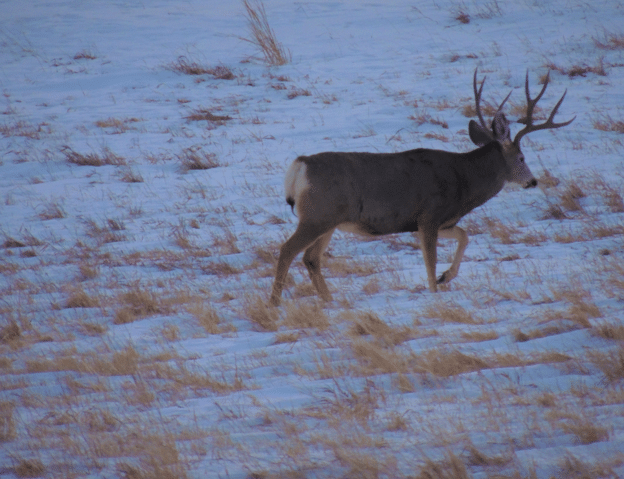
Some mule deer travel upwards of 150 miles between seasonal ranges, while others may move only a short distance up or down the same mountain. Across migratory herds, movements can range from roughly 10 to 150 miles, with some individual deer traveling even farther. This means that the buck a hunter encounters in the fall may spend much of the rest of the year far from that location. This is only one example of how wildlife rely on connected landscapes throughout the year. These habitats are connected by migration corridors and stopover areas that are essential to healthy wildlife populations.
Many big game species rely on these connected habitats to reach food, breeding areas, winter range, and other resources throughout the year. When roads, development, fencing, or other barriers disrupt that movement, animals can lose access to critical habitat. Keeping those habitats connected helps support the healthy, abundant wildlife populations that make quality hunting opportunities possible.
State wildlife agencies are using GPS collars, mapping, and other tools to better understand how animals move and identify the areas most important to their survival. That information can guide practical conservation efforts such as habitat improvements, wildlife crossings, fence modifications, and voluntary agreements with private landowners.
To help support this work, CSF is working to advance bipartisan legislation known as the Wildlife Movement Through Partnerships Act. This bill would establish a nonregulatory grant program to conserve and improve habitat in wildlife movement areas, while supporting voluntary landowner partnerships, state and Tribal research, and continued mapping of migration corridors. At least half of the grant funding would be directed toward projects that conserve, restore, or enhance big game movement areas.
CSF supports habitat connectivity efforts that are guided by sound science, led by state wildlife managers, and carried out in cooperation with private landowners and other partners. CSF has also represented the sporting-conservation community before Congress in support of voluntary, locally driven approaches to improving wildlife movement and habitat connectivity. These efforts should improve habitat and wildlife movement while respecting private property rights and avoiding unnecessary restrictions.
Healthy herds depend on access to the right habitat throughout the year. Keeping those areas connected helps ensure hunters continue to have strong wildlife populations and quality hunting opportunities when the season arrives.