Latest News

May 20, 2024

CSF Supports Land Conservation Legislation in North Carolina

Why It Matters: With North Carolina being one of the most rapidly growing states in the country, it is increasingly important to support landowners interested in conserving their property. North Carolina’s private lands provide important access for hunting and fishing, but as properties are developed, wildlife habitat and hunting and fishing access is often lost….
May 20, 2024

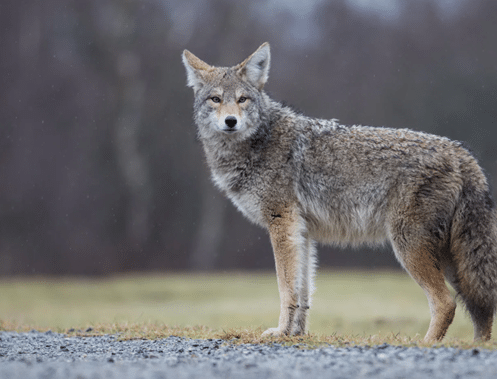
The Fight Continues: Bill to Ban Hunting Contests Revived After Missing Deadline

Why It Matters: Following relentless efforts from anti-hunting organizations, a bill that sought to prohibit hunters from participating in contests or tournaments was revived after it missed a key legislative deadline. The bill threatens traditions that sportsmen and women have long enjoyed while simultaneously seeking to manage wildlife issues legislatively rather than vesting the appropriate…

May 14, 2024

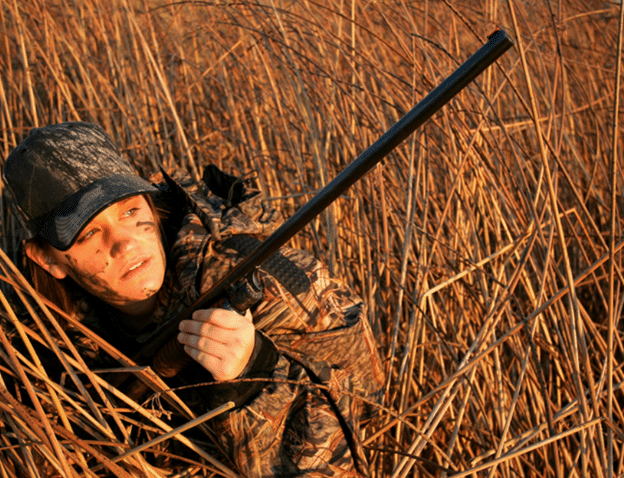
CSF Celebrates the Effectiveness of the CSC With Some Healthy Competition at Annual Congressional Clays Event

Washington D.C. (May 14, 2024) – Earlier today, Members of the Congressional Sportsmen’s Caucus (CSC) and industry partners gathered for a day of fun and fierce competition at the Congressional Sportsmen’s Foundation’s (CSF) annual bipartisan Congressional Clays Competition, hosted at the premier Prince George’s County Trap and Skeet Center. This unique sporting clay, trap, and skeet…

May 13, 2024

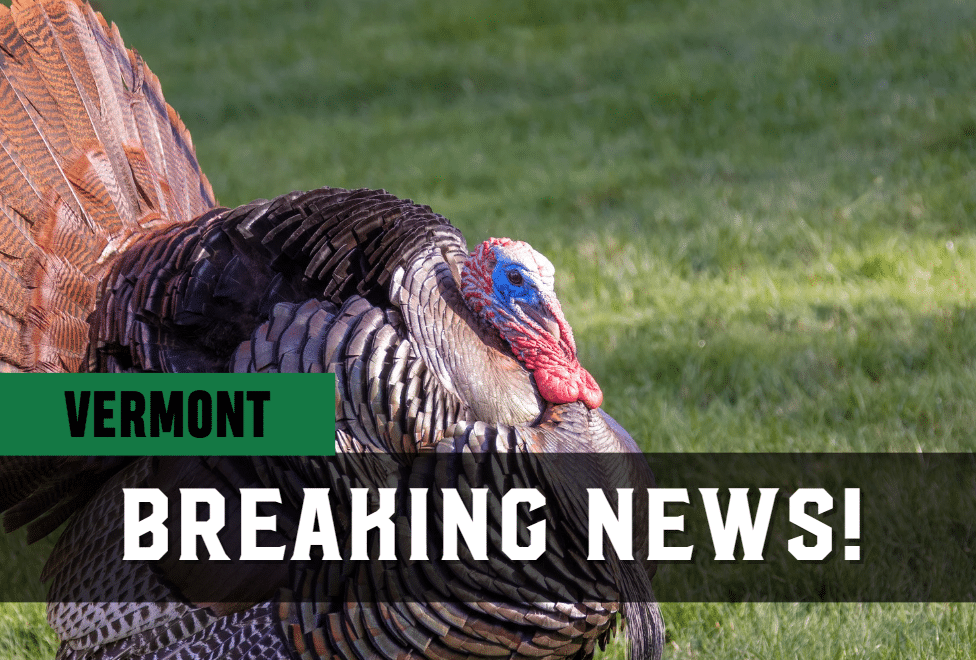
Science-Based Fish and Wildlife Management Protected in Vermont, For Now

Why It Matters: Introduced on January 12, 2024, Vermont Senate Bill 258 (S. 258) – An act relating to the management of Fish and Wildlife – proposed to transfer the authority to adopt rules for the taking of fish, wildlife, and fur-bearing animals from the Fish and Wildlife Board to the Department of Fish and…

May 13, 2024

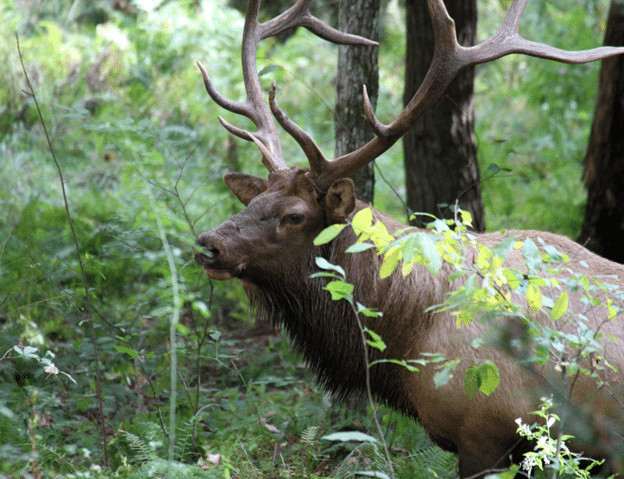
Playing the Odds: Applications Open for Public Land Elk Permits and Elk and Black Bear Permits for Residents in Arkansas and Missouri, Respectively.

Why It Matters: When game populations are at a point where limited, regulated hunting opportunities are necessary for their management, state fish and wildlife agencies often develop a lottery system in which sportsmen and women apply for a limited number of tags or permits. In utilizing a lottery, states are able to manage the demand…