
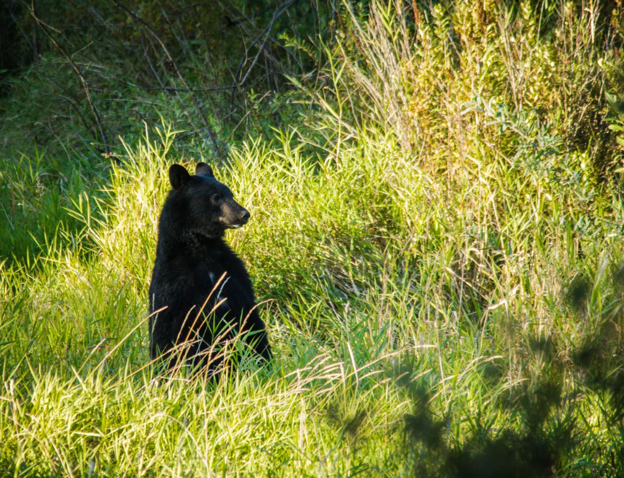
Why It Matters: Preliminary harvest results from black bear seasons in the Great Lakes demonstrate the important role that hunters play in managing healthy wildlife populations. Through regulated hunting, state fish and wildlife agencies can effectively manage black bear populations while providing valuable sporting opportunities and generating critical funding for conservation.
Highlights:
- According to the Wisconsin Department of Natural Resources (DNR), hunters harvested 4,275 black bears during the state’s 2026 season, exceeding the statewide harvest target, which is set in order to help slow population growth in targeted areas.
- More than 146,000 individuals applied for a Wisconsin bear hunting license or preference point in 2026, establishing a new record and demonstrating continued interest in black bear hunting opportunities.
- In Minnesota, hunters registered a preliminary total of 4,168 black bears, representing the state’s highest harvest in more than two decades and approximately 40% above its five-year average, highlighting the strength of hunters as a tool to temper the state’s growing bear population.
- The Congressional Sportsmen’s Foundation (CSF) has consistently advocated for policies that recognize hunting as the most effective means of managing wildlife populations.
As black bear populations have expanded across portions of the Great Lakes region, regulated hunting remains an important tool for state fish and wildlife agencies seeking to maintain healthy populations while minimizing conflicts between bears and humans. The preliminary 2026 harvest results from Wisconsin and Minnesota demonstrate how hunter participation can contribute to wildlife management objectives, with more than 8,400 black bears harvested between the two states. Michigan has yet to release its results for the 2026 black bear season, which concluded in late October.
In Wisconsin, the DNR utilizes an adaptive management approach that adjusts hunting license availability and harvest targets according to regional population trends. This approach was particularly evident in 2026, as increased harvests in portions of central and western Wisconsin reflected agency efforts to slow population growth, while harvest levels in northwestern Wisconsin remained consistent with objectives to reduce local bear populations. Similarly, Minnesota adjusts bear hunting license quotas based on population trends, allowing hunters to contribute to management objectives established by wildlife professionals. State fish and wildlife agencies responsively adjusting hunting opportunities to best address and manage the wildlife populations that inhabit certain areas is a clear example of how scientific data can result in improved hunting success.
The successful 2026 black bear seasons in Wisconsin and Minnesota reinforce the importance of maintaining science-based hunting opportunities as an effective and sustainable wildlife management tool, and CSF will continue to advocate for science-based decision-making that makes the best use of hunting opportunities to manage wildlife populations.