Why It Matters: New York was home to one of the nation’s most infamous and influential conservationists of all time, Theodore Roosevelt. It is hard to imagine that just over 100 years after his death, we see some of the biggest attacks on sportsmen and women in the Empire State through anti-conservation and anti-sporting legislation. Senate Bill 5014 (S. 5014)/Assembly Bill 1616 (A. 1616) or better known as the “Big 5 African Trophies Act” and Senate Bill 9473 (S. 9473)/Assembly Bill 10352 (A. 10352), legislation that would ban the donation of game meat harvested by lead ammunition, are just a few examples.
Highlights:
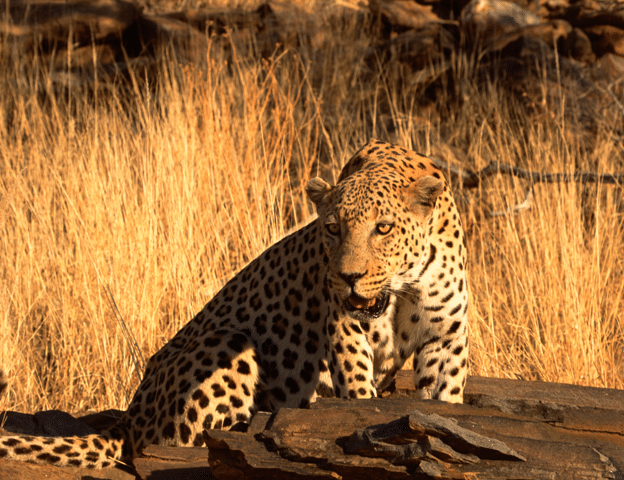
- S. 5014/A. 1616 sought to prohibit the import, export, transport, process, sale, trade, purchase, or distribution of any product of the skin or body of the African elephant, African leopard, African lion, black rhinoceros, white rhinoceros, and African giraffe in New York.
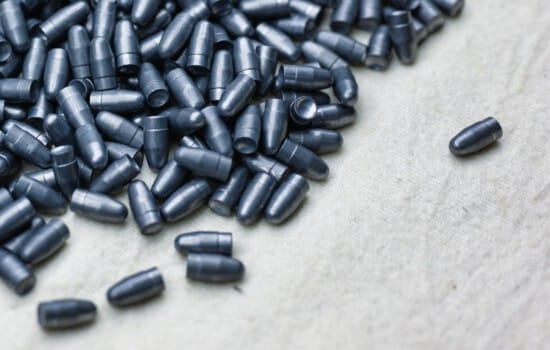
- S. 9473/A. 10352 sought to prohibit the donation of game meat if the animal had been harvested with lead ammunition.
- The Congressional Sportsmen’s Foundation (CSF) provided testimony opposing S. 5014/A. 1616 and S. 9473/A. 10352, worked with the New York Legislative Sportsmen’s Caucus, the New York Sportsmen’s Advisory Council, and members of the General Assembly to combat these misguided and detrimental legislative initiatives.
Though urban sprawl has changed the landscape in just about every Northeast state, there are still plenty of sporting opportunities in the Empire State. New York’s most renowned sportsmen, Teddy Roosevelt, once said, “The wildlife and its habitat cannot speak, so we must and we will.” Quotes like these provide insight into the foundational building blocks to the American System of Conservation Funding and the North American Model of Wildlife Conservation which are both extremely successful models of conservation practices. This is why it is important to be aware of initiatives that would likely have a significant negative impact on conservation funding and ultimately conservation in its entirety.
When it comes to the “Big 5 African Trophies Act” or better known as the “Big 5 Ban”, many legislators are unaware that the revenue generated by licensed, regulated safari hunting is the single most important source of funding for conservation and anti-poaching efforts in Africa. In many Southern and Eastern African countries, revenues generated from legal hunting are the primary source of management, conservation, and anti-poaching funds for national wildlife authorities. This funding has helped recover or maintain “Big 5” populations in Southern and Eastern Africa. Preventing hunters from importing harvested animals is intended to discourage them from hunting in Africa entirely, which would deprive African wildlife authorities and communities of essential income. Without the money generated by hunters, African authorities will lack the funds needed to hire and equip anti-poaching patrols. Furthermore, without the financial and game meat contributions from legal hunting, local communities have little incentive to protect dangerous game, or even keep them on the landscape, since they are otherwise viewed as a nuisance or threat. Laws banning the importation of “Big 5” species undermine species conservation, adversely affect sportsmen and women in the U.S., and eliminate benefits for many African people living in the poorest and most remote areas.
Another misguided initiative is the ban on donating game meat that was harvested by lead ammunition. Such a ban would impose unnecessary financial and accessibility barriers for sportsmen and women to participate in game meat donation programs, standing to therefore decrease both the number of deer that hunters are harvesting and the quantity of donated meat available through these programs. Hunting is the most effective management tool for regulating deer populations, but by arbitrarily requiring hunters to use expensive, largely unavailable ammunition types to harvest surplus meat that can benefit non-hunters, both wildlife and humans are worse off.
Legislation like S. 5014/A. 1616 and S. 9473/A. 10352 failed to progress as they did not make it through the entire legislative process before the recess of the New York Legislative Session. The Congressional Sportsmen’s Foundation thanks members of the New York Legislative Sportsmen’s Caucus, the New York Sportsmen’s Advisory Council, and the members of the General Assembly who worked to provide sound wildlife management truths to the vastly misinformed proponents. CSF will continue to work against anti-sporting and anti-conservation legislation in the Empire State.
Related Policies
“Big 5” Trophy Importation Bans