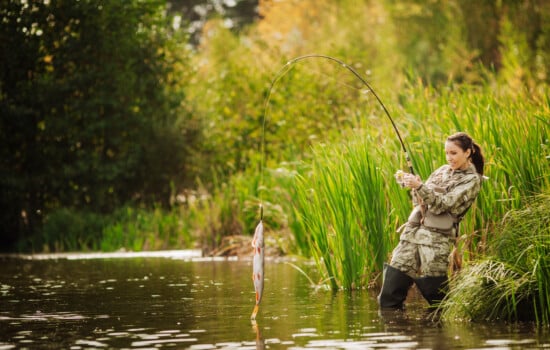
In many areas of the country, state court rulings, as well as actions taken by local and state governments, have limited freshwater angling access. To…
Read more.
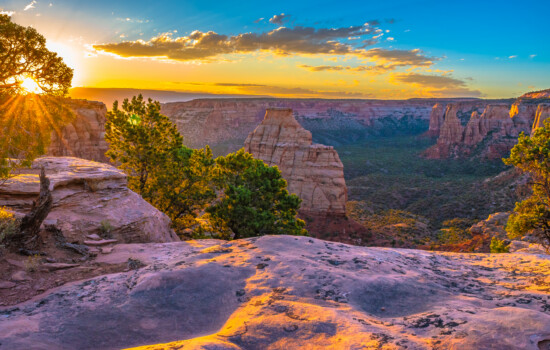
One of the tools that the White House and Congress use to conserve our country’s rich history, cultural, and natural resources is the designation of…
Read more.
“No-Net-Loss” of public lands has become increasingly important to ensure access to public lands and waterways for current and future generations of sportsmen and women.…
Read more.
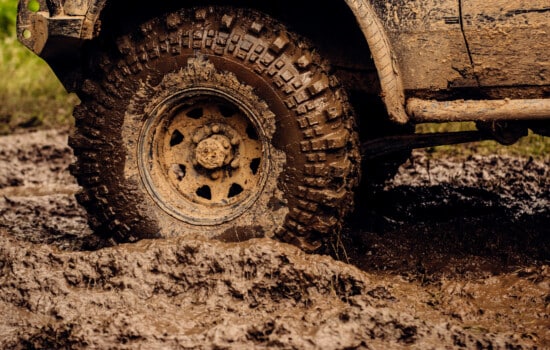
In recent years, Off Highway Vehicle (OHV) use has increased rapidly across the country.The unmitigated consequences of such growth not only threatens the environmental health…
Read more.
Sunday hunting bans are one of the last remaining examples of the puritanical blue laws that were initially designed to encourage church attendance. At the…
Read more.
Concerned about the uncertainty that 30×30 policies may pose for hunting and fishing access, the sportsmen’s community issued the Hunting and Fishing Community Statement on…
Read more.
Active management, as opposed to passive management, employs the use of silvicultural methods and forest management practices, including timber harvesting, timber stand improvement, thinning, tree…
Read more.
For over 80 years, sportsmen have played an integral and unique role in providing the vast majority of conservation funding in the United States through…
Read more.
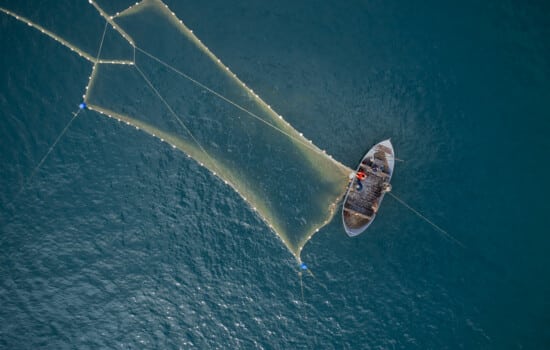
Implementing catch shares in commercial-only fisheries can be a useful tool for managing harvest of marine fisheries. However, they are an inherently inappropriate tool for…
Read more.
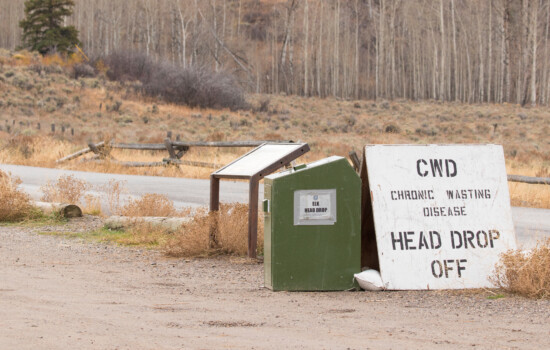
Chronic wasting disease (CWD) is a progressive, fatal, degenerative neurological disease occurring in farmed and free-ranging deer, elk, caribou, and moose. The disease was first…
Read more.
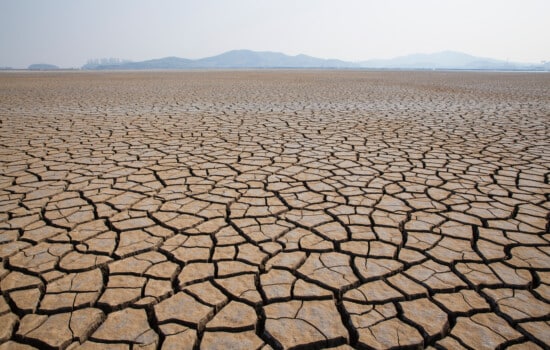
Cited as one of the most pressing environmental challenges facing this generation, climate change represents an opportunity for sportsmen and women, the original conservationists, to…
Read more.