
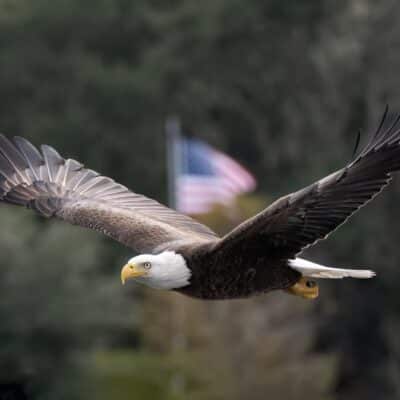
America’s wildlife comeback story began with hunters recognizing conservation before the rest of the nation.
America’s conservation system didn’t begin in Washington. It started with hunters, anglers, and outdoorsmen recognizing that wildlife populations and wild places were disappearing across the continent.
In this conversation, the Congressional Sportsmen’s Foundation launches the Hunt Fish 250 campaign with a deep dive into the origins of the North American Model of Wildlife Conservation, the public trust doctrine, and the sporting traditions that shaped the nation itself. Simon Roosevelt and James Cummins trace the roots of hunting and fishing from Native American land stewardship and subsistence living to Theodore Roosevelt, the Boone and Crockett Club, and the early conservation movement that saved species like whitetail deer, bison, and wild turkey from collapse.
The discussion explores how fair chase hunting, habitat management, public lands conservation, and wildlife science became foundational American values. Listeners will also hear how landmark legislation like the Lacey Act, Pittman-Robertson Act, Migratory Bird Treaty Act, and Sport Fish Restoration Act transformed modern wildlife management and conservation funding.
This is a conversation about more than hunting rights or fishing access. It’s about why hunters and anglers remain central to protecting wildlife habitat, managing forests and wetlands, funding conservation, and ensuring future generations can experience the outdoors the same way Americans have for centuries.