[ Overview ]
Forest Management
Forests provide a wide range of ecosystem services, contribute significantly to local economies, and support recreational access for sportsmen and women. Sustainable forest management goes hand in glove with managing habitat for wildlife, and CSF advocates for policies that support active forest management on private working lands and state and federal public lands to improve forest health, improve wildlife habitat for game and nongame species, and improve access for hunters and anglers.
Amplifying Advocacy for Sustainable Forest Management Policies

CONSERVING WILDLIFE ON FORESTLANDS THROUGH COLLABORATIVE & NON-REGULATORY MEASURES
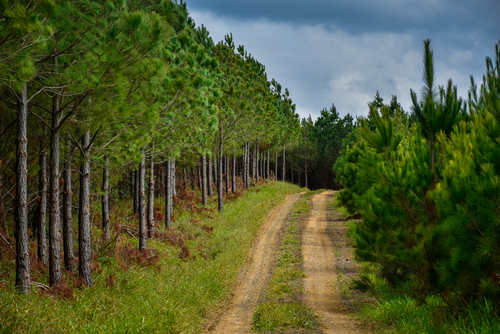
PROMOTING WORKING FORESTS AS A KEY SOLUTION TO ADDRESSING CLIMATE CHANGE AND MAINTAINING RECREATIONAL ACCESS ON PUBLIC & PRIVATE FOREST LANDS
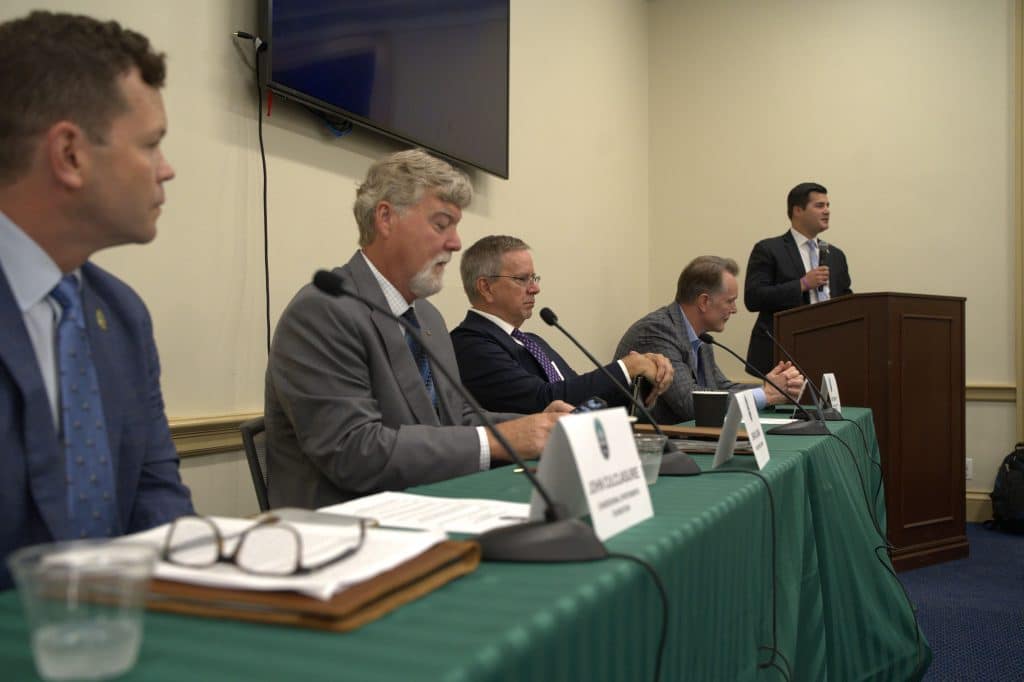
INCREASE COORDINATION, COMMUNICATION, AND INTERACTION BETWEEN FOREST INDUSTRY & CSF TO ADVANCE SHARED POLICY PRIORITIES
CSF Forestry Advisory Council
CSF established the Forestry Advisory Council to foster collaboration and dialogue between the forest industry and the hunting conservation community. The Council’s primary mission is to work in close partnership to provide expert guidance and recommendations to CSF on policies and initiatives that facilitate active forest management, support a robust forest industry, improve wildlife habitat, and expand access opportunities for sportsmen and women. By bringing together representatives from forestry companies, trade associations, conservation organizations and the hunting community, the Council facilitates the sharing of knowledge, insights and best practices to help inform CSF’s policy positions and advocacy efforts.
“The CSF Forestry Advisory Council is one of the most diverse councils I have had the pleasure of working with. Facilitating forest management through conservation communities, state and federal partners, the forest industry, and numerous NGO’s is a recipe for success. Their 360-degree approach ensures that lands are managed sustainably and responsibly providing forest products, optimizing forest health, mitigating wildfires, and providing optimal recreational opportunities for our sportsmen and women. “
– Kyle Hold, State Forester, Delaware Forest Service



Related Media
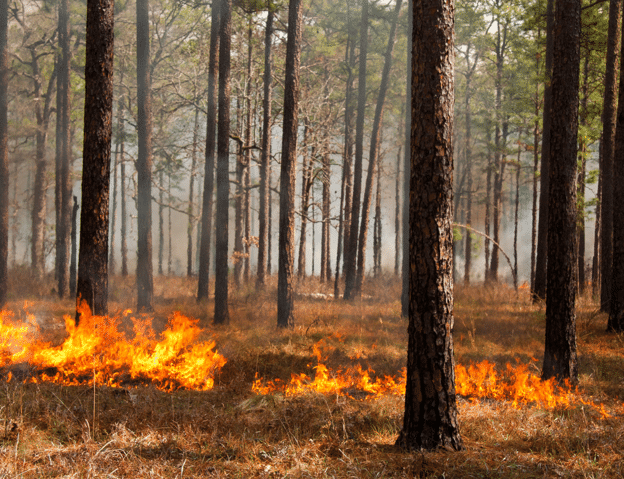
Senate Committee on Environment and Public Works Advances Wildfire Emissions Prevention Act
Why It Matters: Advancing legislation through the United States Senate continues to be incredibly challenging, typically requiring strong bipartisan support for a bill to move out of Committee. As previously reported, the bipartisan Wildfire Emissions Prevention Act (WEPA) represents a shining example of the power that common sense legislation can display as it moves through […]
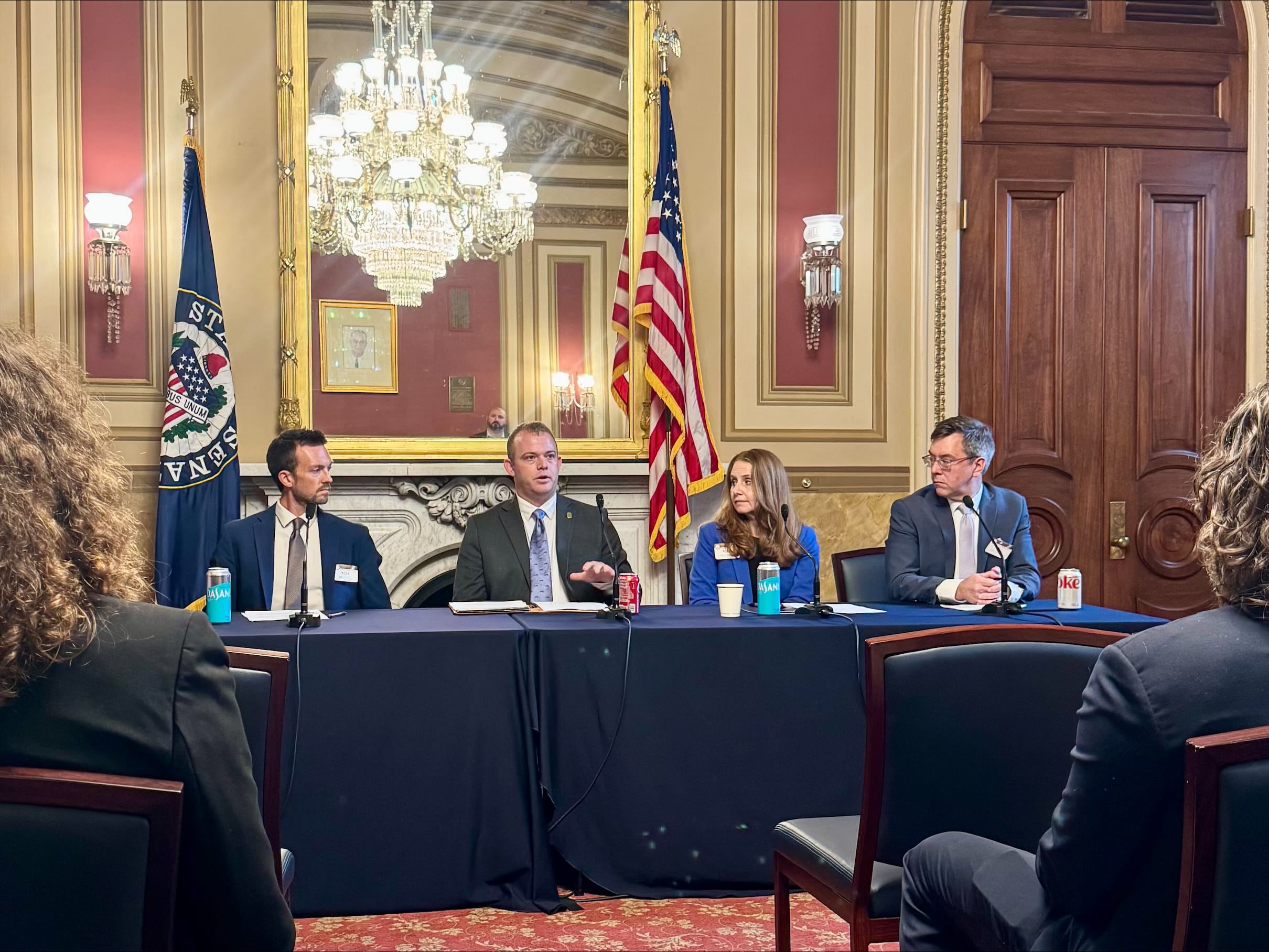
CSF Featured in Congressional Fire Funding Briefing
Why It Matters: In 2018, Congress passed legislation to specifically fund wildfire efforts, ending the cycle of “borrowing” from federal agency budgets to address the growing cost of wildfire suppression, mitigation, and recovery. Known as the “Fire Funding Fix,” this investment is set to expire in 2027. Without dedicated wildfire funding, agencies may be forced […]
California Legislature Returns for Final Month of Session
Why It Matters: After a month-long recess, California is back in session for August before adjourning on August 31. With only a few weeks remaining in the legislative session, lawmakers will make final decisions on several bills that could significantly impact California’s sportsmen and women. From firearm regulations to hunter safety and forest management, these […]
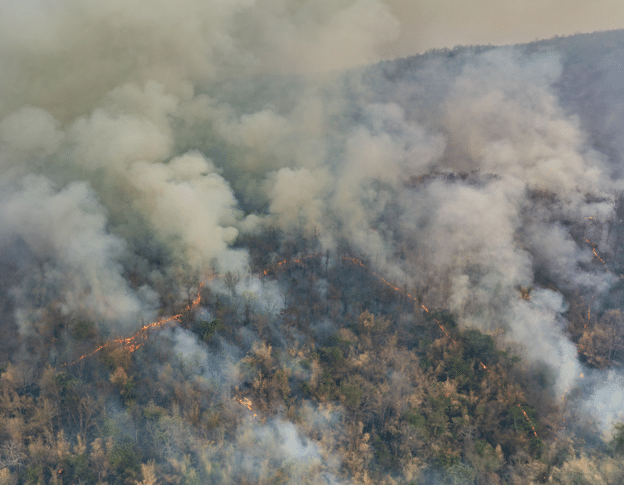
“Smoke on the Water”. . . And in the Air: Wildfires and the Role of the Fix Our Forests Act
Why It Matters: Wildfires across North America cause tremendous, localized devastation that impacts both human populations and natural ecosystems relied on by sportsmen and women. Elsewhere, the smoke resulting from largescale wildfires represents a severe threat throughout much of the country due to air quality impacts such as that are currently affecting the Eastern United […]
Forestry Policy Priorities
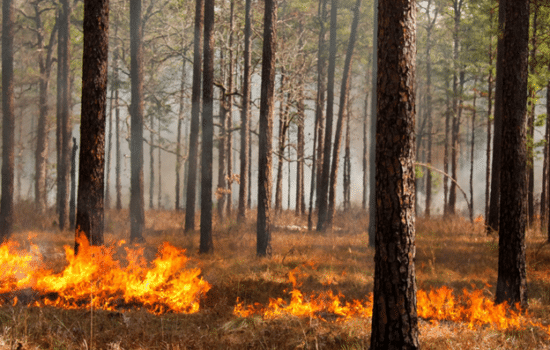
Prescribed Fire
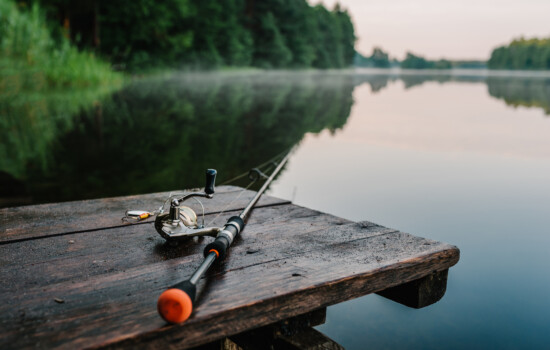
Federal Land Hunting & Angling Access

National Monuments