
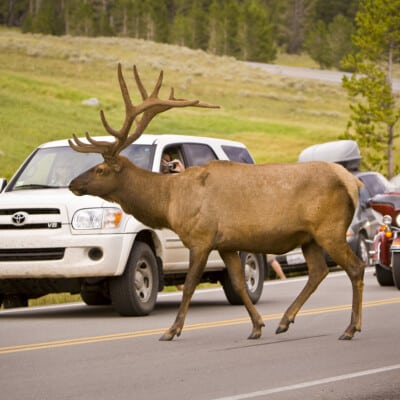
Wildlife corridors are one of the most important, and misunderstood, current initiatives in wildlife conservation.
From elk hunting in the Rockies to White-tailed movement in the Northeast, these migration routes and habitat connections directly influence herd health, hunting opportunity, and long-term wildlife management. With over 30 years of expertise in wildlife conservation and management as well as authoring Secretarial Order: 3362, Casey Stemler unpacks the corridors issues and brings the policy into sharp focus.
This conversation breaks down how big game species like elk, mule deer, and pronghorn rely on seasonal movement across the landscape, and why fragmentation from roads, development, and fencing is becoming a growing threat. You’ll also hear how wildlife crossings, including overpasses and underpasses, play a critical role in reducing vehicle collisions while keeping migration routes intact.
Habitat connectivity is just as important for Eastern hunters as it is for those out West. White-tailed deer movement, bear travel corridors, and even small game and waterfowl habitat all depend on access between seasonal ranges. The discussion also highlights how conservation easements, private land partnerships, and state-level policy are shaping the future of hunting access and habitat quality.
There’s a direct line between these policies and what you see in the field, from healthier herds to fewer lost animals on highways. Understanding how corridors and crossings work gives hunters and anglers a clearer picture of how conservation decisions today impact opportunity tomorrow