
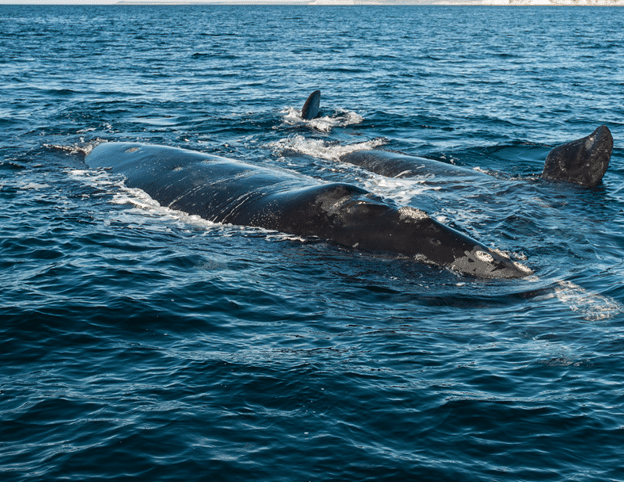
Why It Matters:The National Marine Fisheries Service (NMFS) is reconsidering how it approaches North Atlantic Right Whale conservation and vessel strike reduction, which has major implications for recreational anglers and boaters along the Atlantic coast. Unlike previous proposed expansions of the 2008 vessel speed rule, the current Advance Notice of Proposed Rulemaking (ANPRM) gives the recreational fishing and boating community an opportunity to help shape practical solutions before new regulations are drafted. The Congressional Sportsmen’s Foundation (CSF) is encouraging NMFS to embrace emerging technologies that can improve whale conservation outcomes while avoiding unnecessary burdens on public access to Atlantic waters.
Highlights
- CSF submitted comments supporting a more adaptive, technology-driven framework for North Atlantic Right Whale conservation instead of expanded one-size-fits-all vessel speed restrictions.
- Existing and emerging technologies offer practical solutions that can better mitigate real-time risks of vessel strikes.
- Stakeholders interested in submitting comments to NMFS have until tomorrow, June 2, to weigh in on the ANPRM process.
The Congressional Sportsmen’s Foundation recently submitted comments to NMFS regarding the agency’s Advance Notice of Proposed Rulemaking to potentially revise the 2008 North Atlantic Right Whale Vessel Strike Reduction Rule. CSF emphasized strong support for conserving the endangered North Atlantic Right Whale while also encouraging a balanced and practical regulatory framework that reflects modern technology, evolving science, and the realities of recreational boating and fishing.
This ANPRM represents a significant departure from the agency’s controversial 2022 proposed rule expansion. Rather than presenting stakeholders with a predetermined regulatory proposal that would have effectively shut down offshore fishing and boating for months at a time, the current ANPRM provides recreational anglers, boaters, marine businesses, and conservation partners an opportunity to have a seat at the table in developing workable solutions before specific regulations are proposed.
CSF stressed that existing, imminent, and emerging technologies now provide viable tools to substantially reduce whale strike risks while minimizing unnecessary restrictions on recreational access. These technologies include passive acoustic monitoring systems, thermal imaging, AI-assisted whale detection, AIS-based alert systems, dynamic geofencing, mobile phone applications, and integration of whale-alert capabilities into modern vessel navigation electronics. CSF further noted that NMFS itself recognized in the original 2008 rule that technology-based solutions capable of directly mitigating whale strike risks represent the “most desirable approach” to conservation.
Finally, CSF encouraged NMFS to fully embrace prioritizing innovation, pilot programs, partnerships, and performance-based management approaches that incentivize the adoption of proven technologies.
Stakeholders interested in submitting comments on the ANPRM must do so by tomorrow, June 2, 2026, through the federal docket available here: https://www.regulations.gov/docket/NOAA-NMFS-2026-0364/document.