
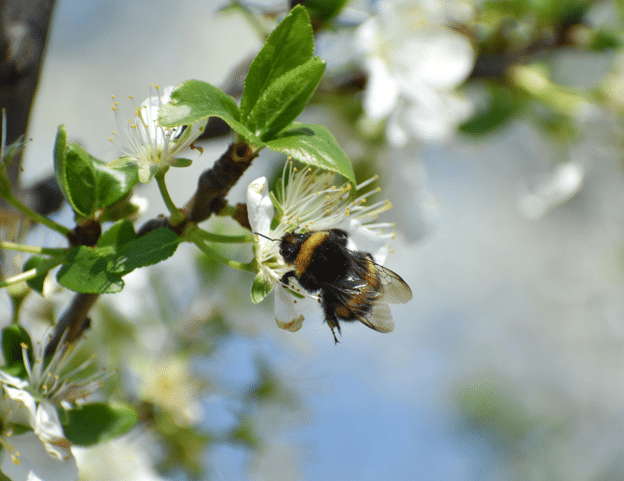
Why It Matters: Sportsmen and women are the original conservationists, and while much of our interest can be traced back to the critters that we pursue, the conservationist mentality that we share also provides an inherent appreciation for the species and processes that ultimately contribute to our opportunities to enjoy the outdoors. Pollinators are unsung heroes to the habitats that we often find ourselves in, and sportsmen and women should recognize their importance and continue to take steps to support their flourishment.
Highlights:
- Pollinators are essential to the health of the habitats that support America’s wildlife species and last week, during National Pollinator Week, conservationists around the country recognized the crucial role that pollinators play.
- From big game forage to nesting cover and brood habitat, many of the outdoor opportunities enjoyed by sportsmen and women depend on healthy pollinator populations.
- As leaders in wildlife conservation, sportsmen and women have a vested interest in protecting the species and ecosystems that sustain our outdoor heritage.
When daydreaming of the woods and fields, pollinators may not be the first species that come to mind for many sportsmen and women, but they play an indispensable role in sustaining the habitats that make our outdoor traditions possible. Bees, butterflies, moths, beetles, flies, and other pollinators help native plants reproduce, supporting the diverse landscapes that wildlife depend on throughout the year.
That connection extends to many of the species sportsmen and women value most. Pollinator-dependent plants provide important forage and browse for deer and elk, while healthy grasslands and wildflower-rich habitats offer nesting cover for pheasants, quail, and wild turkeys, which, alongside species like mourning doves and grouse, transfer pollen between flowering plants as they forage – serving as pollinators themselves. Many insects also serve as a critical source of protein for young game birds during the earliest stages of life, when nutrition can have a lasting impact on survival.
For sportsmen and women, conservation has always been about more than the game we pursue. It is about maintaining healthy, resilient ecosystems that support abundant wildlife and quality outdoor opportunities for generations to come. Pollinators may be small, but their contribution to our sporting heritage is mighty. The Congressional Sportsmen’s Foundation (CSF) will continue to advocate for policy that improves the shared habitat of game and non-game species (including bugs!), which ultimately improves the experience of sportsmen and women afield.