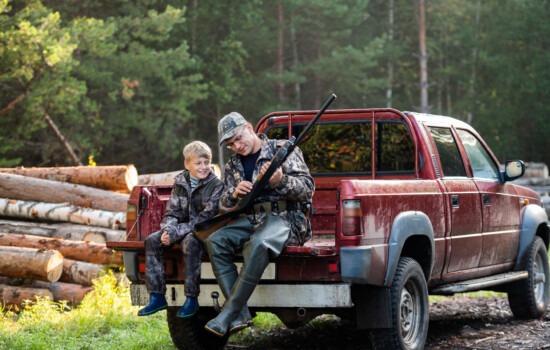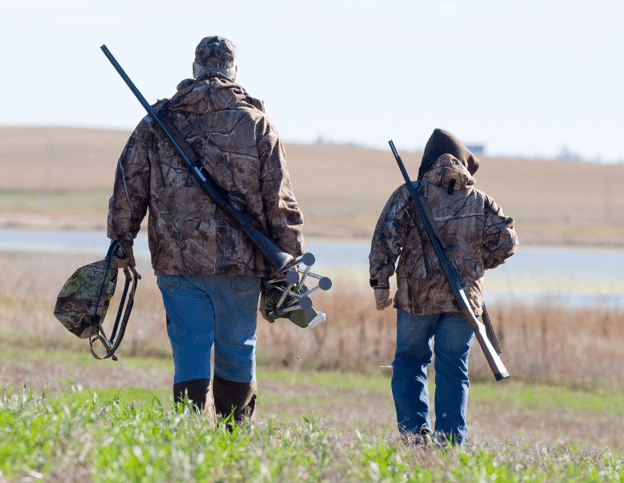
Why It Matters: America’s sporting heritage depends on more than healthy wildlife populations—it depends on people. As hunter participation fluctuates and longtime sportsmen age out of the field, efforts to recruit, retain, and reactivate (R3) hunters have become increasingly important. Expanding opportunities for new participants through youth hunting programs, apprentice licenses, and mentored experiences helps ensure the future of conservation funding, science-based wildlife management, and our time-honored outdoor traditions.
Highlights:
- Youth hunting opportunities provide safe, mentored introductions to the outdoors while fostering lifelong conservation values, which is why the Congressional Sportsmen’s Foundation (CSF) led the charge over the past two years in Georgia and Tennessee to allow for hunter safety education in schools.
- Apprentice hunting license programs also reduce barriers to entry by allowing first-time hunters to gain hands-on experience under the supervision of a licensed mentor.
- R3 initiatives help states strengthen participation in hunting and ensure the long-term future of conservation.
Across the Southeast, state fish and wildlife agencies, conservation organizations, and volunteers are investing in programs that welcome new hunters into the field. Whether through youth-only hunting seasons, mentored hunts, hunter education courses in schools, or apprentice license programs, these initiatives are creating opportunities for individuals of all ages to experience hunting while learning the responsibilities that come with it.
For many young hunters, a youth season represents their first opportunity to harvest game under the guidance of a parent, grandparent, or mentor. These experiences build confidence, reinforce safe firearm handling, and teach ethical hunting practices while creating lasting family traditions. Just as importantly, they help cultivate an appreciation for wildlife conservation and the important role hunters play in managing wildlife populations.
Apprentice hunting license programs have become another valuable recruitment tool across the Southeast. By allowing first-time hunters to participate under the supervision of an experienced, licensed mentor before completing hunter education requirements, these programs lower barriers to participation while maintaining a strong emphasis on safety and responsible hunting. For adults who did not grow up hunting, apprentice licenses often provide an accessible pathway into the sporting community.
These efforts are part of a broader commitment to Recruitment, Retention, and Reactivation. While recruiting new participants remains essential, retaining current hunters and encouraging former hunters to return to the field are equally important. Together, these efforts help maintain a strong community of sportsmen and women who actively support wildlife conservation.
Sportsmen and women fuel the American System of Conservation Funding through the purchase of hunting and fishing licenses and excise taxes on firearms, ammunition, archery equipment, fishing tackle, and motorboat fuels. These user-generated dollars fund habitat restoration, wildlife research, public access improvements, hunter education, shooting ranges, and countless other conservation initiatives that benefit both game and nongame species. As participation changes over time, ensuring that new generations embrace the outdoors is critical to maintaining this successful conservation model.
The Congressional Sportsmen’s Foundation remains committed to working alongside state legislative sportsmen’s caucuses, state fish and wildlife agencies, and conservation partners throughout the Southeast to advance policies and programs that increase participation in hunting while protecting our nation’s rich sporting heritage for future generations.
Related Policies

Hunter Recruitment, Retention and Reactivation