
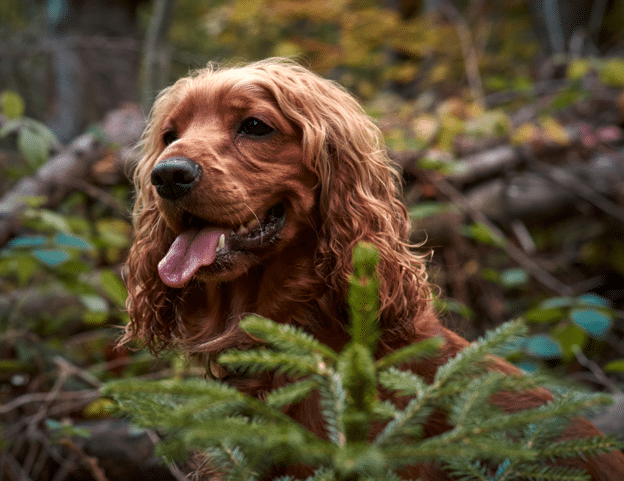
Why It Matters: For many sportsmen and women, canine companions joining in adventures afield is as natural as breathing; the two go together like peanut butter and jelly. While many hunter/ pooch duos will chase upland pursuits or waterfowl retrieves, one not-as-common opportunity exists where legal: fall turkey adventures get cranked up to a 10 with the addition of a good turkey dog.
Highlights:
- Forty states allow fall turkey hunting.
- Twenty-five states allow the use of a dog while hunting wild turkeys in the fall.
- Competition for turkeys in the fall is far less than in the spring, setting a purposeful fall turkey hunter up for a low-hunter-pressure day afield.
First things first: turkey hunting is always a fun time, spring or fall. However, the two are not equal. Our spring hunts are primarily predicated on one thing: breeding rights and working on a lusty tom or two. In the fall, it’s all about family time, the direct result of well-managed flocks maintaining enough breeding birds in the spring to produce the larger fall brood flocks we see this time of year. The calling, turkey behavior, daily habits, and the change of seasons all stand in contrast to the spring season. To boil it down, we simply have more options and, in many cases, more time in the fall season.
In the states where you can add a turkey dog to the mix, the additional option creates an entirely new and exciting way to hunt. The goal with a well-trained and obedient turkey dog is to have the dog break up a flock, create instant chaos and mayhem, and return to their handler on command. The hunter sits and waits quietly as the flock looks to regroup and assemble where they were last all together. The point of all this controlled chaos is to put yourself in a position to call the birds back to where the eruption of birds started. The kee-kee call, a whistle really, is made by the young birds to locate their group. When you set up, post-scattering, simply kee-keeing will get the attention of the flock, and they will begin to kee-kee right back, searching for their mates and attempting to reassemble their family unit. Once the hens get involved and yelp their way back to the point of dispersal, the hunter need only wait for their opportunity and decide how they’d like to fill their tag.
Options! Most fall seasons allow for either sex harvest, different age classes, and full-day hunts. Fall flocks can be comprised of all the above, so if you are looking for a fall tom or smaller birds suitable for a turkey frier, you will have more opportunities than you do in the spring. If you hang out in the fall woods long enough, you will learn so much more about turkey habits, flock structure, vocalizations, and turkey hierarchy. The fall turkey woods should not be missed by any turkey junkie if you can help it. And every fall turkey hunter should, at some point, find a way to experience a fall hunt behind a turkey dog.
Sporting dogs and the long-standing traditions and communities built around them are under attack annually. The Congressional Sportsmen’s Foundation engages regularly on legislation that would directly or indirectly interfere with or outright ban the use of sporting dogs, as well as the practices of training, breeding, and how our well-cared-for and loved companions are kept. From bear hounds to beagles chasing rabbits, and yes, even a well-trained turkey dog, proponents of anti-hunting and anti-hounding policy are active and always looking for a way to end our traditions and end our furry friends’ purposes and what they are literally bred to do. While each legislator should tailor their approach to sporting dog issues to their constituency, it is important that they consider the impact on sportsmen and women. Laws and/or regulations should positively impact the use of dogs for hunting. Hunters are highly encouraged to read their state laws and regulations before heading out this fall for turkey to see if their four-legged partner is allowed to join in on the fun.