
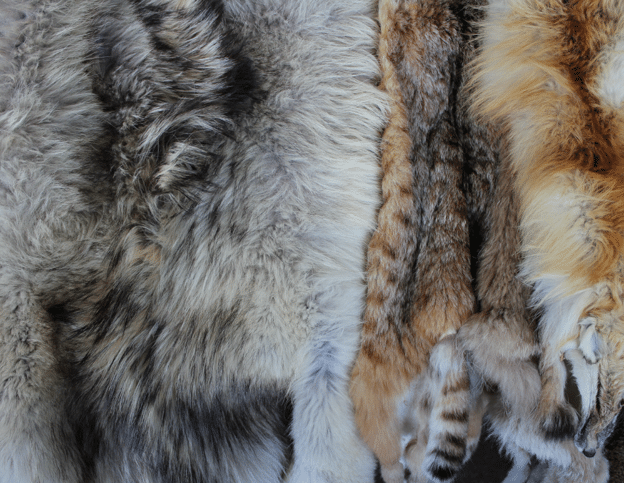
Why It Matters: The Colorado Parks and Wildlife (CPW) Commission is moving forward with rulemaking on a proposed ban on the commercial sale, barter, or trade of pelts, hides, and associated products from wild furbearers taken in Colorado. This follows the Commission’s March 2026 vote to advance the petition, proposed by anti-trapping organizations, despite CPW staff recommendations for denial and strong opposition from sportsmen. The proposal raises legal concerns and threatens core principles of sustainable wildlife management.
Highlights:
- Proposed changes to Chapter W-3 and Chapter W-0 (both impacting trapping and fur sales) will be considered at the July 16-17, 2026, CPW Commission Meeting in Ignacio, Colorado.
- The proposed ban conflicts with state statute C.R.S 33-6-107(9) and Title 35, which allow for the sale of pelts from damage-causing animals
- As the Congressional Sportsmen’s Foundation (CSF) has previously testified, this proposal undermines the North American Model of Wildlife Conservation by targeting lawful commercial use of furbearers
The CPW Commission’s March 2026 decision to advance a citizen petition for a ban on commercial fur sales has reached the stage of formal rulemaking at the upcoming July 16-17, 2026, meeting in Ignacio, CO.
While the official rule language has not yet been released, CPW has posted a rulemaking notice in advance of the next Commission meeting, informing members of the public that they will be considering changes to Chapter W-3 (Furbearers and Small Game, Except Migratory Birds) along with Chapter W-0, which is specifically open for consideration of the petition to ban the commercial sale, barter, or trade of pelts, hides, and associated products from wild furbearers harvested in the state. This serves as a direct follow-up to the earlier contentious 6-4 vote that advanced the petition proposed by anti-trapping organizations, despite heavy sportsmen’s opposition.
During the March 2026 meeting, CPW staff recommended denial of the petition, citing direct conflicts with state statutes. The most notable conflict is with, C.R.S §33-6-107(9) which explicitly permits landowners, family members, and employees to take certain furbearers causing property or livestock damage and authorizes the transfer, possession, trade, barter, or sale of their pelts provided they hold an appropriate small game license. Parallel authorities under Title 35 for agricultural producers further complicate this anti-trapping proposal. CPW staff warned that a ban would create enforcement nightmares, as distinguishing between regulated wild pelts and those taken under statutory damage-control provisions would be nearly impossible. Additionally, vague exemptions offered in the petition (such as felted hats made utilizing “heritage technique”) add to the administrative and legal concerns.
Beyond statutory issues, the proposal runs counter to a conservation brief published by the Association of Fish and Wildlife Agencies titled “Regulated Trapping and the North American Model of Wildlife Conservation.” This publication highlights modern regulated trapping’s ability to help agencies maintain sustainable populations within environmental and social carrying capacities. By operating within the tenets of the North American Model of Wildlife Conservation, agencies have successfully conserved wildlife populations by emphasizing science-based management and sustainable use, including regulated trapping and the associated markets that provide incentives for conservation and landowner tolerance. Eliminating commercial value for furbearer products without compelling biological evidence of overharvest risks weakening this framework, potentially shifting more activity to unregulated nuisance control and harming rural economies and traditions.
CSF previously provided testimony before the CWP Commission in direct reference to this petition and will continue to engage, ensuring that sportsmen’s traditions are protected against unscientific and unnecessary restrictions. The deadline to submit written comments on the rulemaking notice is July 9, 2026, and further testimony opportunities for the July 16-17, 2026, Commission meeting will become available once the full meeting agenda has been released.
The Congressional Sportsmen’s Foundation remains steadfast in its commitment to protecting America’s sporting heritage, including lawful trapping as a vital wildlife management and property protection tool. After multiple successful constitutional Right to Hunt and Fish (RTHF) efforts across the nation, CSF will continue to engage in the Colorado RTHF ballot initiative, working to ensure sportsmen’s traditions are safeguarded at the constitutional level. CSF maintains our strong commitment to advancing these constitutional amendments across the nation, ensuring future generations can enjoy and steward our wildlife resources for generations to come.