Latest News

September 22, 2025

Concerns Abound Following the Legislative Removal of Wildlife Management Tools in Oregon

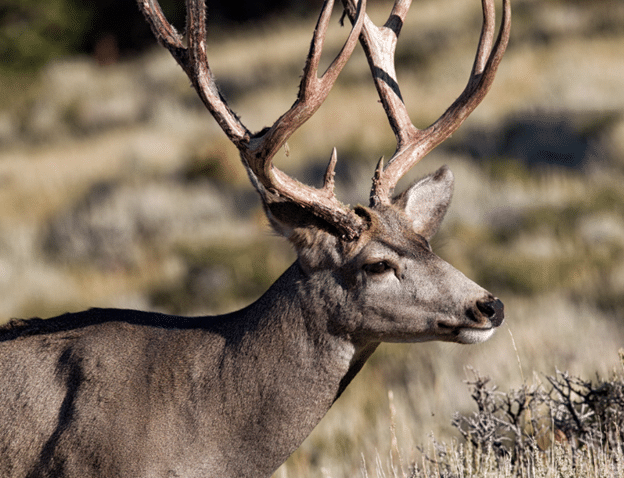
Why It Matters: The Oregon Department of Fish and Wildlife (ODFW) Commission’s recent updates to hunting and fishing regulations aim to balance wildlife conservation with recreational opportunities. However, continued legislative restrictions on things like predator management threaten effective management of species like mule deer, which are declining due to both predation and habitat challenges. Highlights:…
September 22, 2025

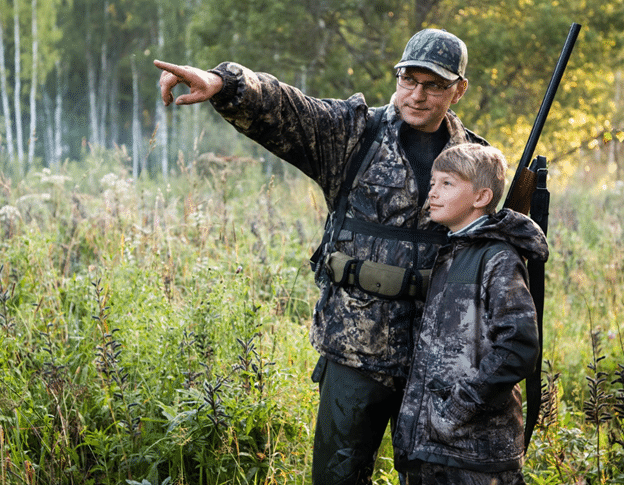
Mentored and Youth Hunts Help Build the Future of Conservation

Why it Matters: Passing on our time-honored hunting traditions is crucial for the future of conservation. Mentored hunts and youth hunting seasons provide safe, structured opportunities for young hunters to learn hunting skills, ethical shot placement, and develop confidence. These programs provide the first steps for youth and other first-time hunters to become engaged in…

September 22, 2025

Governors Across the Southeast Pay Special Recognition to Sportsmen and Women

Why It Matters: National Hunting and Fishing Day (NHFD) recognizes the immense contribution that sportsmen and women have made in support of our time-honored traditions. In the Southeast, members of the National Assembly of Sportsmen’s Caucuses and the Governors Sportsmen’s Caucus, whether they’re active sportsmen and women or not, recognize that hunting and fishing is…

September 15, 2025

EHD Outbreak and Updated CWD Rules in Eastern Washington

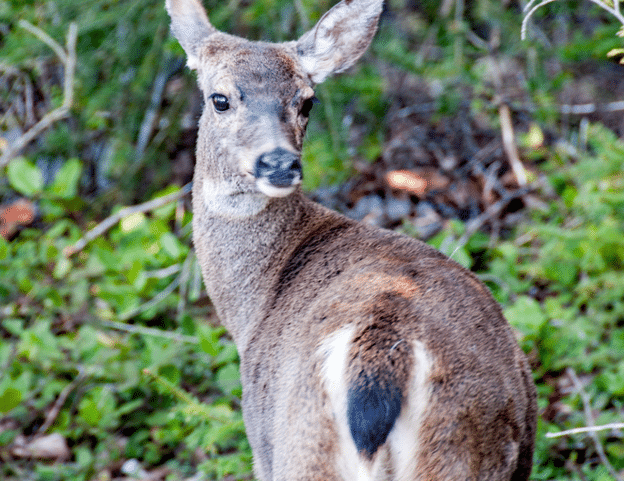
Why It Matters: Hunters in Eastern Washington are facing new challenges from a recent Epizootic Hemorrhagic Disease (EHD) outbreak, which threatens deer populations and could impact hunting success in affected areas. Alongside this, the Washington Department of Fish and Wildlife (WDFW) has implemented stricter ungulate regulations in response to Chronic Wasting Disease (CWD), to minimize…

September 15, 2025

Dedicated Funding for Conservation Efforts in the South

Why It Matters: For over 80 years, sportsmen and women have been the primary funders of conservation in North America. The “user pays – public benefits” structure of the American System of Conservation Funding (ASCF) relies on those who consumptively use the resource to pay for the privilege to do so. Today, most state fish…