
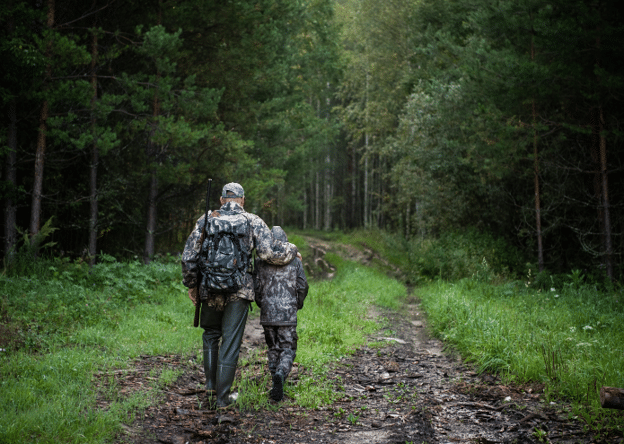
Why It Matters: The long-term success of conservation depends on engaging the next generation of sportsmen and women. Congressional Sportsmen’s Foundation (CSF) supports policies and initiatives that promote recruitment, retention, and reactivation (R3), strengthen hunter and angler education programs, and remove barriers to youth participation to help ensure conservation funding, wildlife management, and outdoor traditions remain strong for decades to come. With New Hampshire’s small game season opening on September 1, 2026, with gray squirrel season, the time to take a youth or new hunter afield is now.
Highlights:
- New Hampshire’s Gray Squirrel Season opens on September 1st.
- Additional small game seasons open four weeks later on October 1st.
- Ruffed grouse, woodcock, cottontail rabbit, pheasant, and snowshoe hare seasons can be enjoyed by all throughout the autumn months.
- Small game seasons allow for low pressure access to hunting pursuits.
It is no secret that hunter participation numbers have been trending down over the last few years. For perspective, they’ve not fallen off a cliff but, to surveyors and data wonks, the stats are significant enough to raise concern- driving community-wide efforts to find avenues of participation for would be hunters of all ages and demographics.
New Hampshire (like most states) offers low impact, low energy (unless you’re a dog) and generally, low cost of entry through small game seasons. The weather is generally pleasant; the need for equipment, especially when in pursuit of bushy tails, is minimal. Rimfire rifles and sub-gauge shotguns will provide an aspiring hunter more than enough to engage these tree top sprinters in the ultimate game of hide and seek. Walking through hardwood stands offers opportunity and an enjoyable atmosphere that will keep the kids and maybe a new hunting buddy wanting to come back for more. With a daily bag limit of 5 squirrels, a morning before or after school can be thrilling! Come October the variety of small game expands as do the opportunities and experiences. Rabbit and hare hunts over a troop of beagles can be exhilarating. Meanwhile, walks along New Hampshire’s thousands of miles of logging roads – with or without man’s best friend – can create memories that last a lifetime while pursuing the state’s prized upland bird, the ruffed grouse. Such hunters should keep their eyes (and ears) alert for migrating Woodcock at the same time. Of course, youth and new hunters can have just as much fun without the dog by simply taking slow walks and watching for movement. Wet edges that support aspens and poplar stands are great areas to focus your efforts when seeking Timber-doodles without the aid of a well-trained bird dog.
When we think about creating access and opportunities for the next generation of sportsmen and women, keep it easy, light, low cost, and fun. They likely won’t necessarily remember camo brands, or your go-to influencer’s favorite ammo or gun. They will remember positive experiences and the sense of empowerment and accomplishment with a vest full of fluffy tails or feathers, capped off with hugs and an affirming, “atta boy” or “atta girl”!
As we continue to look for ways to bring young hunters into the fold, legislation that directly supports these efforts is being brought forward and signed into law. CSF led efforts in states like Tennessee and Georgia (most recently), have culminated in bringing Hunter Education as an option, to the classroom for middle and high school aged students. These programs and the associated curriculum from the state agencies are excellent complements to small game opportunities in the field to be sure. The classroom instruction preceding time afield can only add to a new hunter’s confidence and give them the tools to be successful as they join mentors for their first hunts. In New Hampshire, CSF along with in-state partners and the New Hampshire Fish & Game Department have been exploring options and legislation to bring this CSF priority policy of voluntary Hunter Education to Granite State classrooms.
Hunters have a tremendous impact on the U.S. economy, spending over $90 billion each year to engage in their pursuits. This spending helps create and support more than 680,000 jobs and generates $5.4 billion in state and local taxes. If you add in federal taxes paid by hunters, the number more than doubles to $11.8 billion. More importantly, hunters generate a critical amount of conservation dollars through the American System of Conservation Funding by purchasing hunting licenses, tags, and permits, and by paying excise taxes on a wide array of sporting equipment, including firearms, ammunition, archery equipment, and other hunting-related expenditures. In total, monies paid by sportsmen and women provide 80% of the funding for most state fish and wildlife agencies, which are the primary managers of our nation’s fish and wildlife resources. It is imperative that we all do our part and create opportunities afield to welcome those who will carry on our legacy.
Learn more about small game hunting in New Hampshire by visiting www.wildlife.nh.gov/hunting-nh/small-game-and-upland-bird-hunting.