Policy Type: Forestry

Fire in the woods
March 2, 2026

Prescribed Fire

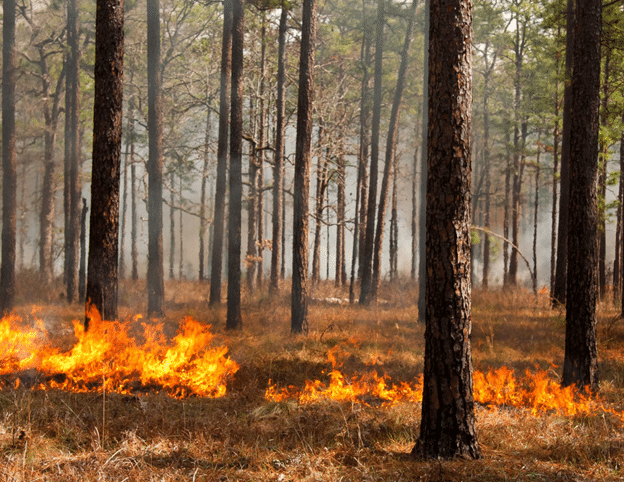
Prescribed fire, also known as a controlled burn, is a planned, intentional fire in a specific geographic area used to meet land management goals.[1] Prescribed fire reduces hazardous fuels which decreases severe wildfire risk, minimizes the spread of insects and disease, controls invasive species, and promotes the regeneration and recruitment of desired species by controlling […]


November 16, 2023

Federal Land Hunting & Angling Access

Many sportsmen and women depend on federal lands managed by agencies such as the U.S. Forest Service, Bureau of Land Management and U.S. Fish and Wildlife Service for access to activities like hunting, fishing and recreational shooting. As these agencies develop strategies to manage federal lands, it is critical for those who support these activities…

November 16, 2023

National Monuments

One of the tools that the White House and Congress use to conserve our country’s rich history, cultural, and natural resources is the designation of national monuments, as sanctioned by the 1906 Antiquities Act. The Antiquities Act was originally intended to give the President and Congress the tools to quickly and effectively protect our country’s…

November 16, 2023

30×30: Recognizing Sportsmen’s Contributions to Conservation

Concerned about the uncertainty that 30×30 policies may pose for hunting and fishing access, the sportsmen’s community issued the Hunting and Fishing Community Statement on the 30 by 30 Initiative. This statement recognizes and embraces the overlap between the sportsmen’s community’s collective work to conserve fish and wildlife species and their habitats and the establishment…

November 16, 2023

Active Forest Management

Active management, as opposed to passive management, employs the use of silvicultural methods and forest management practices, including timber harvesting, timber stand improvement, thinning, tree planting, prescribed fire, fire suppressions, weed control, and other practices that improve wildlife habitat and forest health to reach desired forest objectives and future conditions. Compared to passive management, active…

November 16, 2023

Climate Change

Cited as one of the most pressing environmental challenges facing this generation, climate change represents an opportunity for sportsmen and women, the original conservationists, to reassert their role as leaders in supporting healthy ecosystems. By viewing a changing climate as a conservation challenge, the sportsmen’s community can continue to utilize management practices that have worked…

November 16, 2023

Farm Bill

The 2018 Farm Bill expired in October 2023 and has since received two separate, year-long extensions. However, Congress has yet to pass the next iteration of this important legislation. The Congressional Sportsmen’s Foundation is working with Congress to advance a Farm Bill with strong Conservation and Forestry Titles that benefit wildlife, fish, and their habitats…

November 16, 2023

Federal Land Habitat Management

Properly managed wildlife habitat is essential for supporting sustainable and healthy wildlife populations. Well-managed lands containvarious successional stages that provide a diversity of habitats capable of supporting a diversity of wildlife. On federal lands, however, young forests and other early seral habitats are often underrepresented. The most efficient method to improve wildlife habitat is through…