
State: VT
February 24, 2025
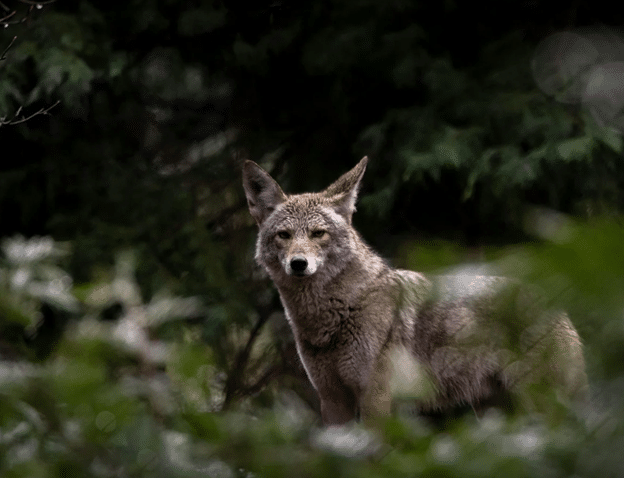
Baiting for Furbearers Under the Gun in Vermont
Why It Matters: Fish and wildlife agencies have long been the preferred authority and managers of both game and nongame species, and their habitats, throughout the country. As such, the current practice of implementing management practices that are based on sound science should continue to be the standard. Any deviation from such practices, and the…
September 30, 2024
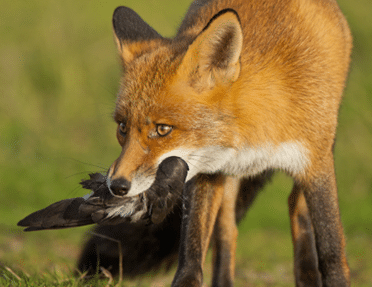
Trapping the Truth
Why It Matters: As sure as a cool September breezes blow in the northern forests, reminding us of the coming changes, so too will those breezes whisk us into the most treasured time on the calendar for sportsmen and women. As September gives way to October, many will take to the forests, fields and waterways…
June 17, 2024
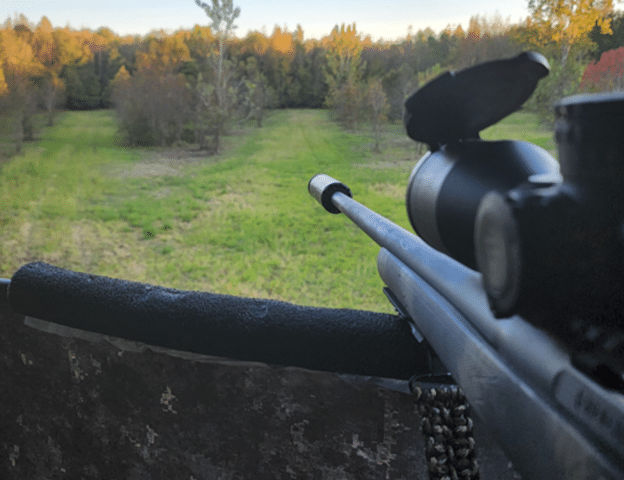
Hunting with Suppressors Permanently Authorized in the Green Mountain State
Why It Matters: On June 6, 2024, Governor’s Sportsmen’s Caucus (GSC) Member, Governor Phil Scott, signed Vermont House Bill 878 (HB 878) into law, removing the two-year sunset provision previously put in place by Vermont Senate Bill 281 (SB 281) – which temporarily legalized the use of suppressors while hunting in Vermont two years ago….
May 13, 2024
Science-Based Fish and Wildlife Management Protected in Vermont, For Now
Why It Matters: Introduced on January 12, 2024, Vermont Senate Bill 258 (S. 258) – An act relating to the management of Fish and Wildlife – proposed to transfer the authority to adopt rules for the taking of fish, wildlife, and fur-bearing animals from the Fish and Wildlife Board to the Department of Fish and…
April 1, 2024
ACTION ALERT – Proposed Fish and Wildlife Board Changes Threaten Hunting, Fishing, and Trapping in Vermont
Why It Matters: Introduced on January 12, 2024, Vermont Senate Bill 258 (S. 258) – An act relating to the management of Fish and Wildlife – proposes to transfer the authority to adopt rules for the taking of fish, wildlife, and fur-bearing animals from the Fish and Wildlife Board to the Department of Fish and…
January 29, 2024
Proposed Fish and Wildlife Board Changes Threaten the Future of Hunting, Fishing, and Trapping in Vermont
Why It Matters: Introduced on January 12, 2024, Vermont Senate Bill 258 (S 258) – An act relating to the management of Fish and Wildlife – proposes to transfer the authority to adopt rules for the taking of fish, wildlife, and fur-bearing animals from the Fish and Wildlife Board to the Department of Fish and…

November 16, 2023
Crossbows
Over the last decade, many states have expanded opportunities for archery hunters wishing to use crossbows. Incorporating crossbow hunting opportunities into game management may increase hunter recruitment and retention, and crossbows can be valuable tool for controlling game populations, particularly in suburban and urban areas. Over the past decade, many states have eliminated restrictions on…
November 16, 2023
Federal Land Hunting & Angling Access
Many sportsmen and women depend on federal lands managed by agencies such as the U.S. Forest Service, Bureau of Land Management and U.S. Fish and Wildlife Service for access to activities like hunting, fishing and recreational shooting. As these agencies develop strategies to manage federal lands, it is critical for those who support these activities…
November 16, 2023
30×30: Recognizing Sportsmen’s Contributions to Conservation
Concerned about the uncertainty that 30×30 policies may pose for hunting and fishing access, the sportsmen’s community issued the Hunting and Fishing Community Statement on the 30 by 30 Initiative. This statement recognizes and embraces the overlap between the sportsmen’s community’s collective work to conserve fish and wildlife species and their habitats and the establishment…

November 16, 2023
Federal Land Habitat Management
Properly managed wildlife habitat is essential for supporting sustainable and healthy wildlife populations. Well-managed lands containvarious successional stages that provide a diversity of habitats capable of supporting a diversity of wildlife. On federal lands, however, young forests and other early seral habitats are often underrepresented. The most efficient method to improve wildlife habitat is through…

November 16, 2023
Anti-Hunters Pushing for Seats on Game Commissions
Established with the dedicated purpose of protecting and conserving wildlife, game commissions have been understandably staffed by experts in the field throughout their existence. Such experts’ ability to make responsible and effective decisions regarding wildlife management has become contested through non-sportsmen and women pushes for representation on game commissions. Having board members that are neutral…