[ Overview ]
Forest Management
Forests provide a wide range of ecosystem services, contribute significantly to local economies, and support recreational access for sportsmen and women. Sustainable forest management goes hand in glove with managing habitat for wildlife, and CSF advocates for policies that support active forest management on private working lands and state and federal public lands to improve forest health, improve wildlife habitat for game and nongame species, and improve access for hunters and anglers.
Amplifying Advocacy for Sustainable Forest Management Policies
“Active forest management is critical for creating quality wildlife habitat, improving forest health and resiliency, mitigating risk to catastrophic wildlife, increasing forest carbon sequestration and carbon storage capabilities, and increasing access for sportsmen and women.”

CONSERVING WILDLIFE ON FORESTLANDS THROUGH COLLABORATIVE & NON-REGULATORY MEASURES
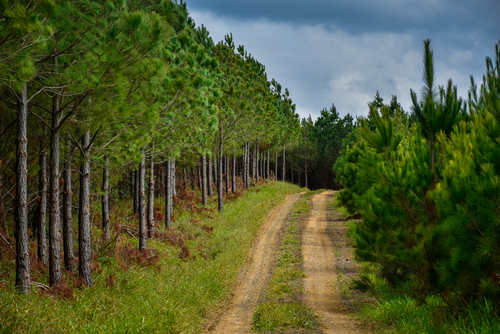
PROMOTING WORKING FORESTS AS A KEY SOLUTION TO ADDRESSING CLIMATE CHANGE AND MAINTAINING RECREATIONAL ACCESS ON PUBLIC & PRIVATE FOREST LANDS
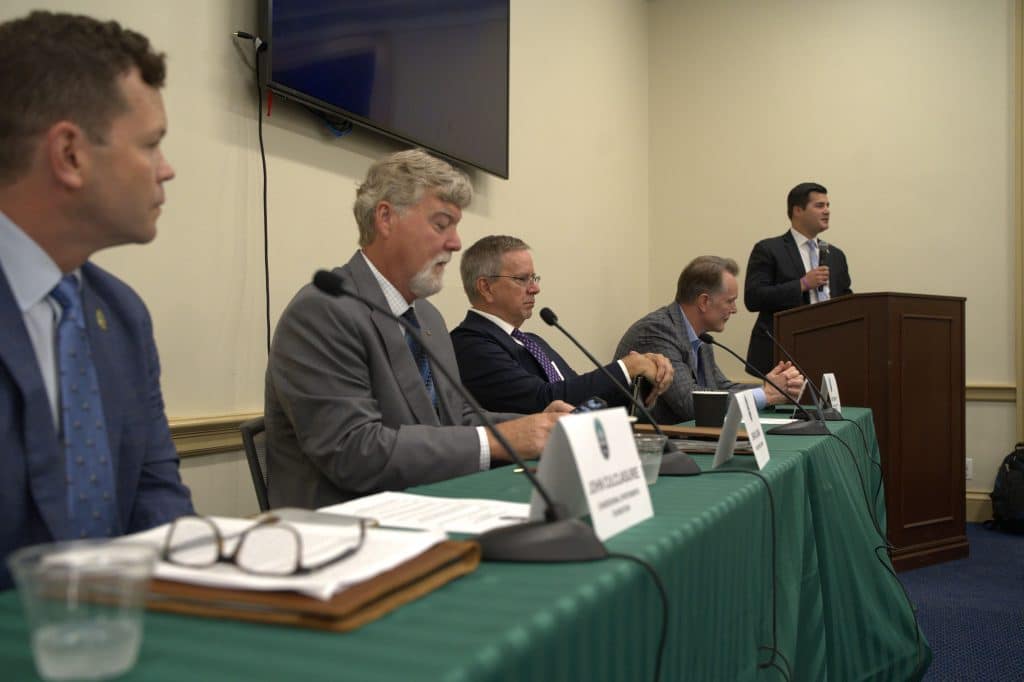
INCREASE COORDINATION, COMMUNICATION, AND INTERACTION BETWEEN FOREST INDUSTRY & CSF TO ADVANCE SHARED POLICY PRIORITIES
CSF Forestry Advisory Council
CSF established the Forestry Advisory Council to foster collaboration and dialogue between the forest industry and the hunting conservation community. The Council’s primary mission is to work in close partnership to provide expert guidance and recommendations to CSF on policies and initiatives that facilitate active forest management, support a robust forest industry, improve wildlife habitat, and expand access opportunities for sportsmen and women. By bringing together representatives from forestry companies, trade associations, conservation organizations and the hunting community, the Council facilitates the sharing of knowledge, insights and best practices to help inform CSF’s policy positions and advocacy efforts.
“The CSF Forestry Advisory Council is one of the most diverse councils I have had the pleasure of working with. Facilitating forest management through conservation communities, state and federal partners, the forest industry, and numerous NGO’s is a recipe for success. Their 360-degree approach ensures that lands are managed sustainably and responsibly providing forest products, optimizing forest health, mitigating wildfires, and providing optimal recreational opportunities for our sportsmen and women. “
– Kyle Hold, State Forester, Delaware Forest Service



Related Media
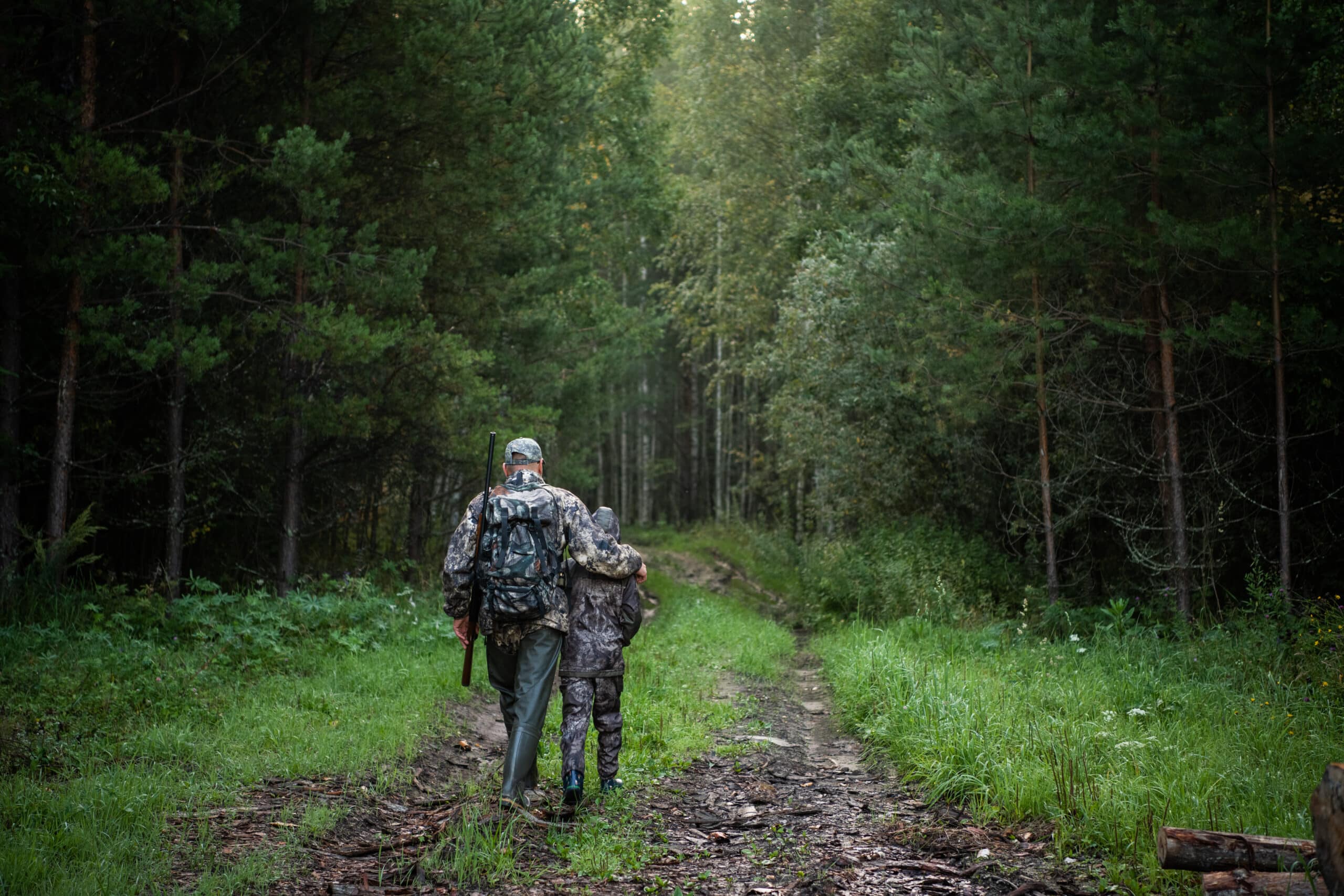
Sportsmen Score Big on House Passage of Four Congressional Sportsmen’s Foundation-Backed Bills
March 18, 2026 (Washington, D.C.) – This week, the U.S. House of Representatives passed four legislative priorities for the Congressional Sportsmen’s Foundation (CSF): the Protecting Access for Hunters and Anglers Act, the Mitigation Action and Watermen Support (MAWS) Act of 2026, the Post-Disaster Reforestation and Restoration Act of 2025, and the Save Our Sequoias (SOS) Act. Thanks to the active work of Members of the Congressional Sportsmen’s […]

CSF Opposes Vermont Legislation Prohibiting Forest Management on Public Lands
Why It Matters: Legislation that removes management flexibility on public lands by prohibiting sustainable forest management practices threatens forest resiliency and wildlife conservation. Other Northeastern states have introduced similar bills in recent years, and it is important for the sportsmen’s community to continue voicing their concerns and advocating for policies that promote active forest management to support our sporting traditions that depend […]
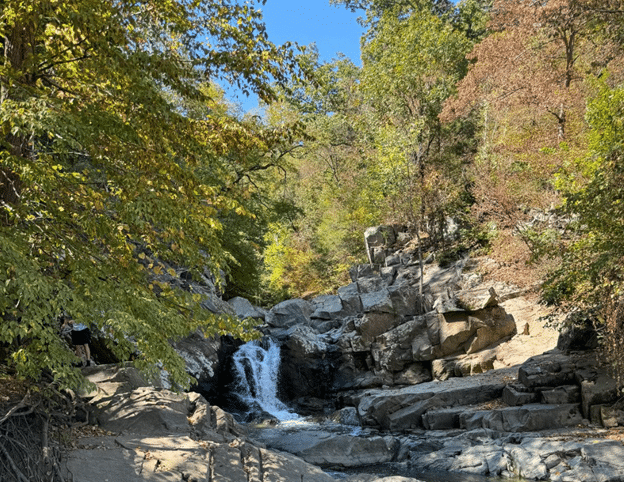
West Virginia Legislative Sportsmen’s Caucus Lights the Way for More Prescribed Burning
Why It Matters: By reducing barriers limiting prescribed burning on private property in a state that is more than 83% privately owned, Senate Bill 886 will have a significant impact on wildlife habitat in West Virginia. Whether burning to reduce wildfire risk or to enhance habitat diversity, popular game species, including wild turkey, White-tailed deer, and black bear, as well as nongame species that […]
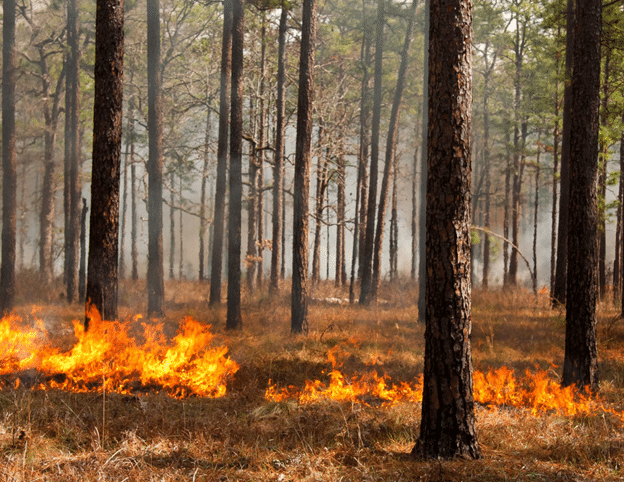
Georgia Legislative Sportsmen’s Caucus Leads Effort to Facilitate Prescribed Burning
Why It Matters: Prescribed burning enhances wildlife habitat, improves forest health, and reduces wildfire risk. Reducing regulatory barriers to prescribed burning provides clarity for the state, local governments, and the public, while reducing inefficiencies and risks for prescribed burners and landowners. From the Blue Ridge Mountains to the Coastal Plain, Georgia’s forest resources and wildlife will benefit from increasing the use of prescribed […]
Forestry Policy Priorities
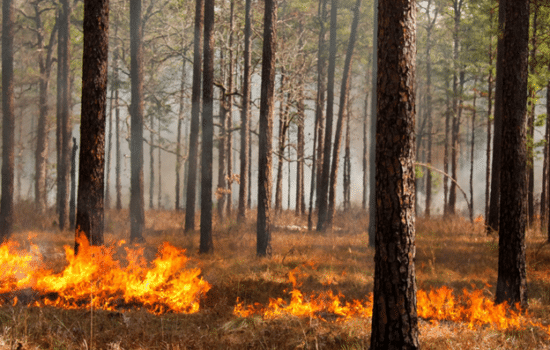
Prescribed Fire

Federal Land Hunting & Angling Access

National Monuments