
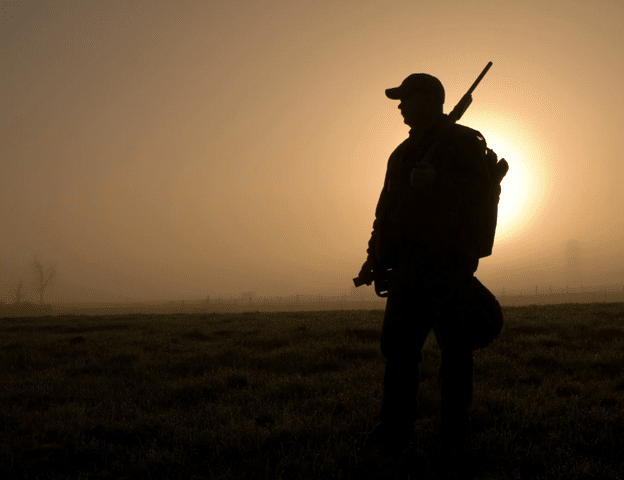
Why It Matters: While federal policy often receives significant attention, especially in an election year, many of the decisions that directly affect America’s hunters, anglers, recreational shooters, and trappers on a daily basis are made at the state level. State legislatures and state fish and wildlife commissions make decisions that directly influence the opportunities available to sportsmen and women. Understanding the importance of state-level policy and remaining engaged in the legislative and regulatory process is essential to protecting these opportunities for current and future generations.
Highlights
- State legislatures and fish and wildlife commissions play a significant role in shaping hunting, fishing, and wildlife management policies within their respective states. The decisions made by these bodies directly impact every aspect of the outdoor activities that we participate in – not only in the South, but across the country.
- In the wake of another election season, it’s more important than ever for sportsmen and women to engage with newly elected officials and communicate their support for our shared outdoor traditions.
- The Congressional Sportsmen’s Foundation (CSF) works alongside bipartisan legislative Sportsmen’s aucuses, members of the Governors Sportsmen’s Caucus, state agencies, and conservation partners to advance state policies that protect and promote hunting, fishing, recreational shooting, trapping, and science-based wildlife management.
Some of the most consequential decisions affecting sportsmen and women happen much closer to home than many realize. While federal policy often captures the headlines, state legislatures and natural resource agencies play an equally important role in determining the future of America’s hunting, fishing, and trapping opportunities.
Wildlife management is inherently local. Every state faces unique conservation challenges shaped by its wildlife populations, habitat, landownership patterns, and traditions. State wildlife agencies develop and implement management strategies that account for these differences, while many state legislatures establish the statutory framework and funding mechanisms that support those efforts. From setting seasons and bag limits to managing access, these decisions directly influence the opportunities available to hunters and anglers.
State policy also plays a significant role in conservation funding. Hunting and fishing license fees, dedicated conservation funding programs, and other state-level funding mechanisms support wildlife management, habitat restoration, research, and public access in the states. Policymakers must balance the need for sustainable conservation funding with the importance of keeping hunting and fishing affordable and accessible to future generations. Beyond wildlife management and funding, state legislatures routinely consider proposals that can expand or restrict opportunities. Sunday hunting restrictions, firearm restrictions, public access, and license fee increases are just a few examples of issues that originate in state capitols that CSF has engaged on over the years. These decisions can have lasting consequences.
This is why sportsmen and women must have a voice in the policymaking process. Building relationships with elected officials, participating in public comment opportunities, and staying informed about proposed legislation and regulations are all important ways to ensure our way of life is protected.
Ultimately, the future of America’s sporting traditions will be shaped not only by decisions made in Washington, D.C., but also by policymakers in state capitals across the country. Conservation happens at the state level, and protecting our sporting traditions requires sportsmen and women to have a seat at the table. CSF is at that table, and we encourage you to pull up a chair next to us.