
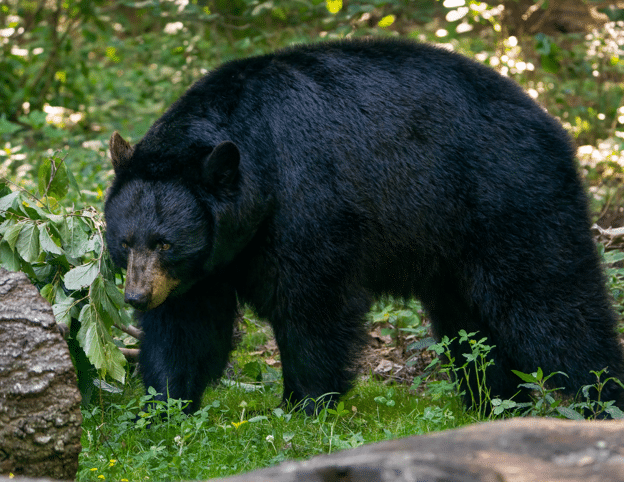
Why It Matters: Florida’s black bear hunt has entered a new chapter following the Florida Fish and Wildlife Conservation Commission’s (FWC) decision to re-establish a highly regulated hunting season. After nearly a decade without a statewide bear hunt, Florida sportsmen and women can participate in the management of one of the state’s most iconic wildlife species. The 2026 season builds on that framework, providing additional opportunities for hunters while maintaining strict harvest controls to support the long-term health of Florida’s black bear population.
Highlights:
- In 2025, FWC re-established Florida’s black bear hunting season for the first time since 2015. The decision followed extensive public input and consideration of biological data and demonstrated the importance of allowing professional wildlife managers to use the best available science when making management decisions.
- The Congressional Sportsmen’s Foundation (CSF) supported the re-establishment of the black bear season and continues to participate in the Florida Black Bear Stakeholder Group and Technical Advisory Group.
- Building on the success that Florida saw with last year’s season, which resulted in 52 bears being taken, FWC has increased the number of black bear permits in 2026 – further showing the strength of bear populations in Florida. Florida’s return to regulated black bear hunting represents an important step in the continued evolution of the state’s bear management program. The 2025 season provided wildlife managers with an opportunity to evaluate the effectiveness of the new harvest framework, collect biological information from harvested bears, and gain additional insight into Florida’s bear population. The decision to modestly increase permit availability for 2026 demonstrates how harvest opportunities can be adjusted as managers collect additional information and evaluate population trends.
The first season also demonstrated the importance of a carefully controlled approach. Rather than immediately implementing a large-scale hunt, FWC established a limited-entry system with designated harvest zones and specific permit allocations. This framework allows wildlife managers to monitor harvest and adjust future seasons as new information becomes available. In 2026,the season will take place from December 5-27. The number of available permits increases to 193 permits through the public draw, with an additional 22 landowner permits, which is up from 172 permits being made available in 2025. This represents a measured expansion of opportunity while maintaining the safeguards established during the 2025 season.
The FWC has also established the Private Lands Bear Harvest Program, providing additional management opportunities on qualifying private properties. Beginning in 2026, eligible landowners can receive permits to harvest bears between October 1 and December 31. Participating properties must meet stringent acreage and habitat requirements and have an approved Bear Habitat Management Plan. The program also requires participating landowners to conduct conservation activities such as active forest management, invasive species control, wetland restoration, and more.
Florida’s black bear population is a significant conservation success story, and sportsmen and women have played an important role in funding wildlife conservation through the American System of Conservation Funding. Regulated hunting provides another tool for professional wildlife managers while giving Floridians an opportunity to participate directly in the conservation and management of this species.
The continued implementation of Florida’s black bear hunting program demonstrates how hunting, conservation, and science-based wildlife management can work together. CSF applauds FWC and its Commissioners for continuing to rely on sound science and adaptive management while providing meaningful opportunities for Florida’s sportsmen and women.