
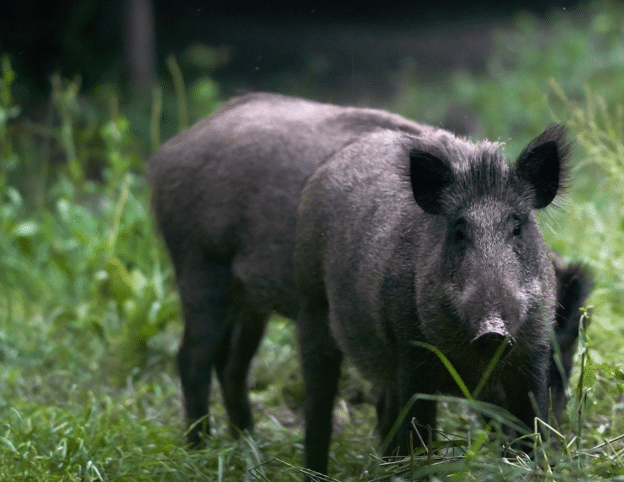
Why It Matters: Wild pigs continue to wreak havoc on wildlife habitat, agricultural lands, and native ecosystems across the country, causing billions of dollars in damage each year. While they present recreational hunting opportunities in some areas, unmanaged populations threaten the very landscapes that support America’s hunting heritage. Addressing this complex issue requires collaboration among state and federal agencies, researchers, agricultural interests, conservation organizations, and sportsmen. The Congressional Sportsmen’s Foundation (CSF) is proud to serve on the Steering Committee of the National Wild Pig Task Force (Task Force) where we work to ensure that the voice of sportsmen and women is represented as national strategies are developed.
Highlights:
- The Task Force brings together leaders from state and federal agencies, academia, agriculture, and conservation organizations to coordinate efforts to mitigate and eradicate wild pigs.
- CSF’s Southeastern States Manager, Mark Lance, was elected to the Task Force’s Steering Committee last year, joining 10 other members in leading the direction of the Task Force.
- CSF is the only sportsmen’s organization represented on the Steering Committee, ensuring that sportsmen have a voice in the discussion surrounding wild pigs.
Wild pigs are among the most destructive invasive species in North America. Their expanding populations degrade wildlife habitat, compete with native game species, damage crops, spread disease, and negatively impact ecosystems relied upon by hunters, anglers, and outdoor enthusiasts alike. Because these impacts cross state lines and jurisdictional boundaries, effective management requires a coordinated national approach.
To help guide those efforts, the Task Force convenes experts from across the country to improve collaboration, share research, and develop best management practices for controlling wild pig populations. The Steering Committee serves as the leadership body responsible for identifying priorities and helping shape the direction of the Task Force’s work.
Notably, CSF is the only sportsmen’s organization represented on the Steering Committee, ensuring that the interests of hunters, recreational landowners, and the broader sporting community are considered alongside those of wildlife professionals, agricultural stakeholders, and researchers.
This position reflects CSF’s longstanding commitment to advancing science-based wildlife management and elevating the role of sportsmen in conservation policy discussions. While hunting can be an important component of localized wild pig management, experts agree that recreational hunting alone is not sufficient to control or eradicate established populations. Effective management requires coordinated strategies that balance ecological, agricultural, and recreational considerations.
Wild pig populations continue to expand across much of the Southeast and beyond, making collaboration more important than ever.
As part of its continued efforts to improve communication and collaboration, the National Wild Pig Task Force has also launched a new website designed to serve as a centralized hub for the latest research, management tools, policy resources, and educational materials related to wild pig management. Whether you’re a hunter, landowner, wildlife professional, policymaker, or simply interested in learning more about this growing conservation challenge, the website offers valuable science-based information and opportunities to stay engaged. CSF encourages you to explore the new site and learn more about the coordinated national effort to address invasive wild pigs. Visit the National Wild Pig Task Force’s website at nwptf.org.