
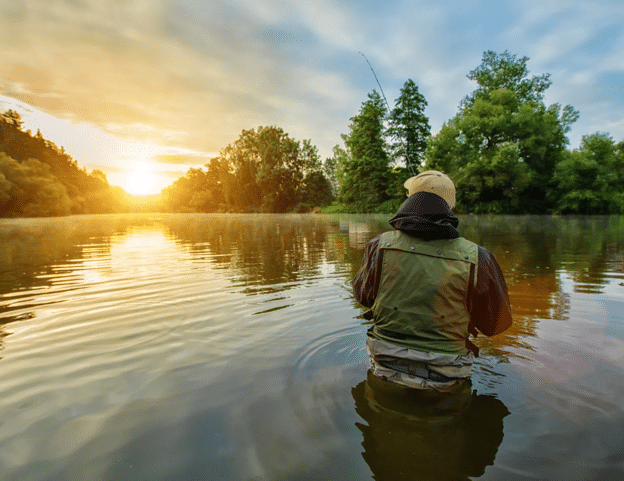
Why It Matters: The cost of managing resources held in the public trust, maintaining public access, and delivering conservation programs continues to increase while hunting and fishing license revenues are failing to catch up. As a result, agencies in several states have considered implementing license fee increases to help close budget gaps. While license fees remain an essential component of conservation funding, dramatically increasing the cost of participation can place additional pressure on the very sportsmen and women who provide the foundation for fish and wildlife conservation.
Highlights:
- State fish and wildlife agencies across the country are confronting growing operating costs and budget shortfalls, putting pressure on license holders through increased license fees and new online licensing systems that aim to reduce costs for the agencies while hitting license holders with additional processing and convenience fees and more.
- Tennessee and Virginia are two of the latest states that have approved license fee increases in an effort to overcome budgetary shortfalls.
- Rather than solely going after license fee increases, there are other avenues to achieve funding goals, such as a dedicated sales tax on outdoor gear revenue for conservation.
- CSF has been a leading voice championing dedicated conservation funding mechanisms and protecting sportsmen-driven conservation funding for decades.
For generations, hunters and anglers have played the primary role in funding fish and wildlife conservation through hunting and fishing licenses, as well as through the federal excise taxes generated by the purchase of firearms, ammunition, archery equipment, fishing tackle, and other outdoor-related products. This “user pays – public benefits” structure, commonly referred to as the American System of Conservation Funding, has provided billions of dollars for conservation and remains the backbone of state fish and wildlife agency funding.
As hunters and anglers, we take great pride in our role as conservationists and recognize the important responsibility we have carried as the primary funders of conservation in the country for nearly a century. CSF has supported many modest license fee increases in recent years as a means of ensuring state fish and wildlife agencies have the resources necessary to effectively manage fish and wildlife populations. While we remain proud to continue shouldering this responsibility, there comes a point when continually increasing costs on a single user group can create a barrier to participation and, ultimately, undermine the very conservation funding those increases are indented to support. When that point is reached, we should look to additional, dedicated revenue streams that can complement license revenues while maintaining hunters and anglers as the primary funders of conservation.
In August, the Tennessee Fish and Wildlife Commission approved a proposed license fee structure that would increase hunting and fishing license fees by an average of 29% to help address a multi-million-dollar budget deficit. Virginia also recently approved increases after the state’s Department of Wildlife Resources identified rising costs and a budget that had not kept pace with inflation.
State policymakers should explore additional options for dedicated sources of conservation funding that complement the contributions of hunters and anglers. One example is Texas’ Sporting Goods Sales Tax, which generates upwards of $160 million per year. Other examples are Missouri and Arkansas’sdedicated conservation sales tax, which provides 1/8th of 1% of sales tax revenue specifically for conservation. A dedicated sales tax apportionment for conservation provides a broader funding base by collecting revenue on items used in our outdoor pursuits while also maintaining license revenue and federal excise-tax funding, which maintains the important connection between those who participate in outdoor activities and the conservation of the resources they enjoy.
The goal should not be to move away from the user-pays model, nor should the states price more people out of participating in our shared outdoor traditions. Instead, alternate dedicated funding mechanisms are available that don’t place additional, burdensome costs on hunters and anglers when they go to purchase their annual licenses.