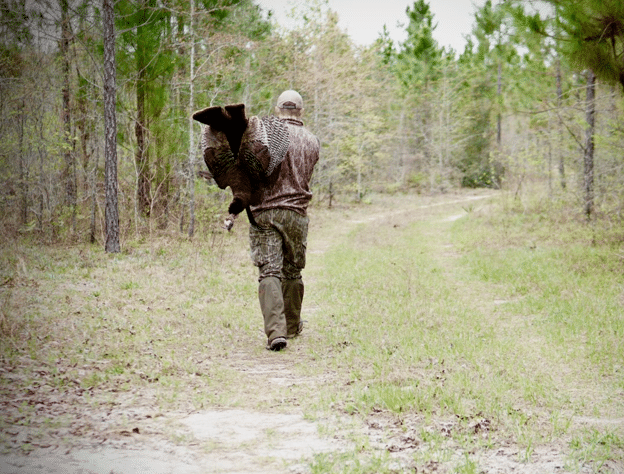
Why It Matters: As is with much of the country, turkey hunting continues to be wildly popular among hunters across the Southeast. Turkey hunting traditions run deep throughout the region, and the pursuit generates millions of dollars through the “user pays – public benefits” structure that is the American System of Conservation Funding (ASCF). From recruiting the next generation of hunters to generating critical dollars that fund on-the-ground conservation work, turkey hunting’s reach goes far beyond filling the freezer.
Highlights:
- After decades of intensive restoration efforts, wild turkey populations have rebounded dramatically across the United States, growing from an estimated 200,000 birds in the early 1900s to more than 6 million today and standing as one of North America’s greatest wildlife conservation success stories.
- Several Southeastern states set all-time harvest records for spring turkey in 2026 (Kentucky, Louisiana, and Mississippi for example) while other states approached all-time highs (Tennessee).
- Increased harvest of gobblers on public land was also a common trend across much of the Southeast, magnifying the need for increased protections for public access.
There is a good chance that, depending on who you talk to, you will get a varying response as to the state of wild turkey numbers throughout the Southeast. However, 2026 yielded several encouraging harvest results that should have turkey hunters at a glass-half-full perspective, rather than half-empty.
Kentucky set a staggering harvest record of 36,439 turkeys taken during this year’s spring season, putting the Commonwealth nearly 6,000 birds over the 10-year harvest average. Tennessee fell just short of Kentucky with a total spring harvest of 34,990 birds, marking the Volunteer State’s 4th highest harvest on record. Louisiana notched its highest turkey harvest since mandatory reporting began in 2009 with a total of 4,024 birds taken during the 2026 season. Mississippi posted an impressive 17,907 wild turkeys harvested during the spring season, the state’s highest harvest since mandatory reporting began in 2019.
Another encouraging trend seen is several Southeastern states is the increased turkey harvest on public lands. For example, Kentucky reports a public land harvest of 2,373 turkeys this spring, which is well over the 10-year average. Despite relatively high population densities compared to other regions of the country, there are some incredible hunting opportunities on public land in nearly every Southeastern state. Some states – Georgia, Florida, Kentucky, Louisiana, Mississippi, and Tennessee – have no-net-loss of public lands language on the books to permanently protect access to public hunting lands. South Carolina joined the movement this year with the passage of House Bill 3872, dubbed the “Hunting Heritage Protection Act”, which established a minimum acreage of South Carolina Department of Natural Resources-owned lands open to hunting. As reported on previously, the Congressional Sportsmen’s Foundation worked closely alongside the South Carolina Legislative Sportsmen’s Caucus to see this critical piece of legislation across the finish line earlier this year.
There is no doubt that, especially with the deep-rooted heritage that is present among turkey hunters in the Southeast, hunters, conservationists, and wildlife management professionals will continue to carefully manage and pursue wild turkeys and perpetuate this tradition for generations to come. In closing, while some news may not always be bright on wild turkey numbers in the Southeast, hunters should be encouraged by the wide-ranging success of turkey hunters in the Southeast this spring.
Related Policy