Georgia

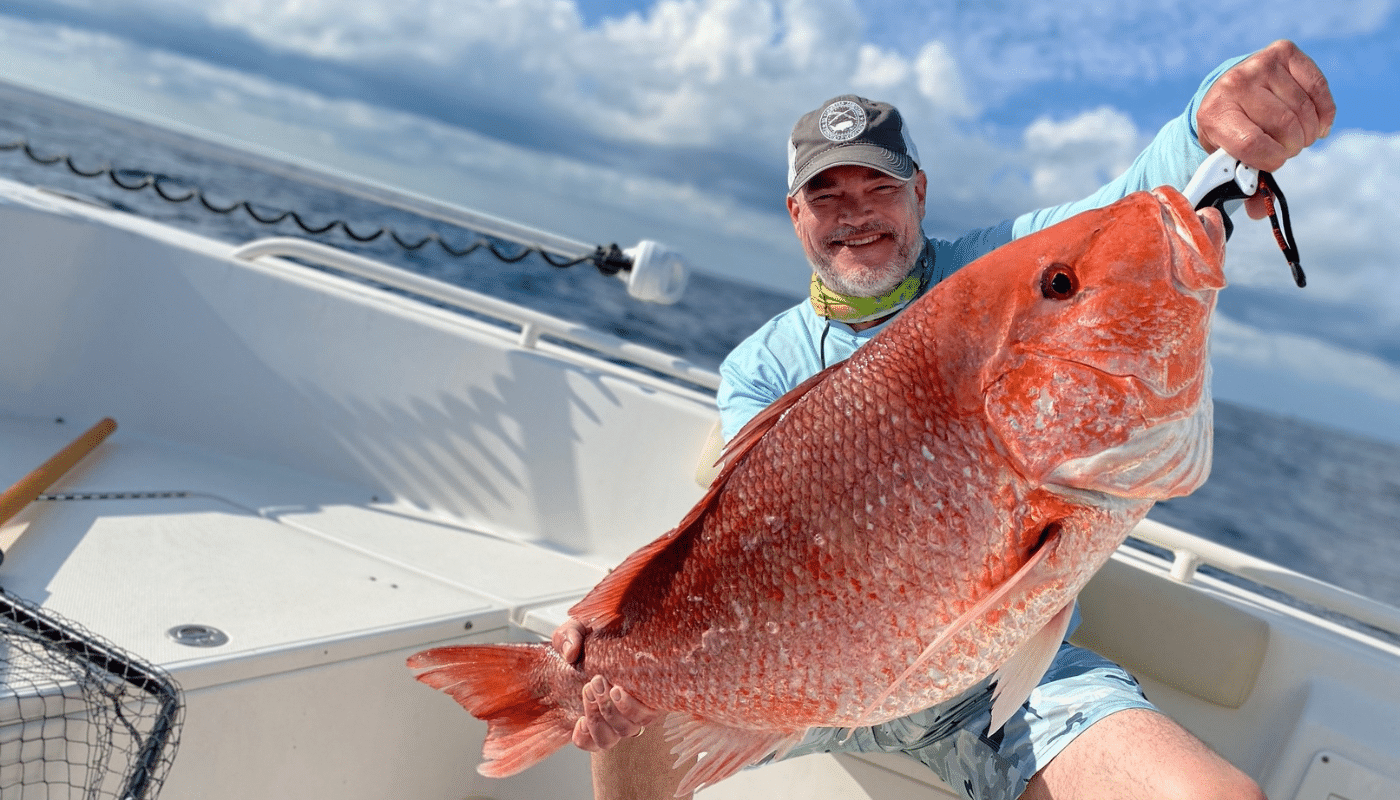
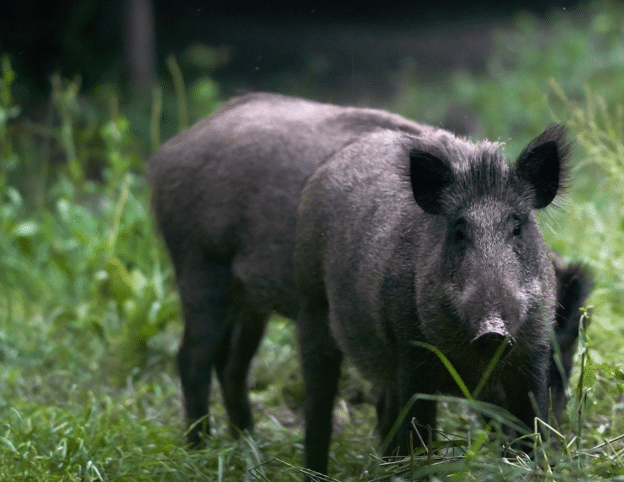
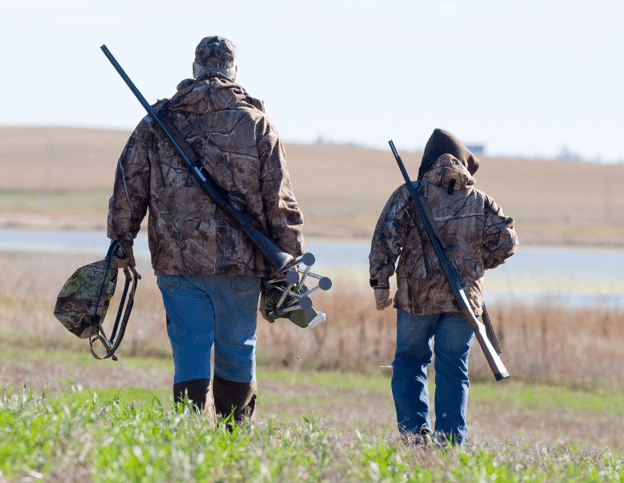
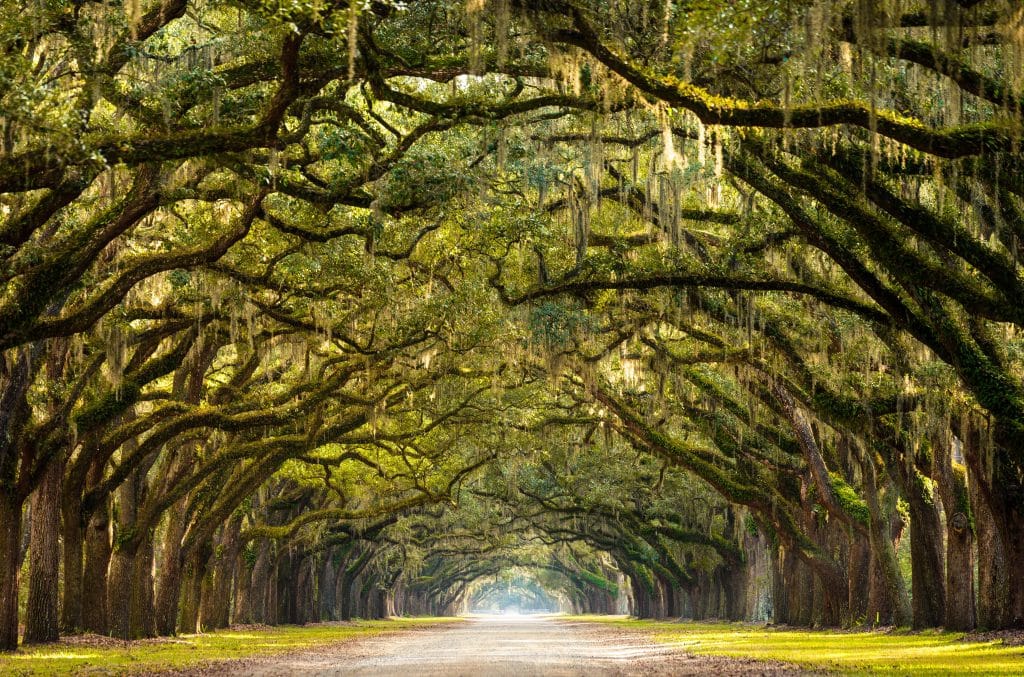
Whether one is looking for bass, turkey, deer, or trout, Georgia is a state rich in sporting opportunities. Georgia features a coastal plain in the southeast, a central Piedmont plateau region, and the Blue Ridge Mountains in the northern part of the state. Major rivers in Georgia include the Chattahoochee, Flint, Apalachicola, Ocmulgee, and Oconee. It’s no secret that Georgia is considered a world class inshore fishery, with anglers casting for redfish, sea trout, flounder, and even the occasional tarpon. For hunters, species that call the Peach State home include white-tail deer, black bear, wild turkey, dove, and various species of waterfowl.

For more information on the elected officials protecting and promoting the sportsmen’s traditions in Georgia, please contact: Conner Barker

Congressional Sportsmen's Caucus

Representative Rick Allen Representative Sanford Bishop Representative Earl ‘Buddy’ Carter Representative Andrew Clyde Representative Drew Ferguson Representative Hank Johnson Representative Barry Loudermilk Representative Rich McCormick Representative James (Austin) Scott

Georgia Governors Sportsmen's Caucus Member

Governor Brian Kemp

Georgia Legislative Sportsmen's Caucus Leadership

Senator Lee Anderson Representative Chas Cannon Representative Matt Dubnik Senator Sheikh Rahman
0
0
$
0
M

Georgia Policy Briefs

No-Net-Loss

“No-Net-Loss” of public lands has become increasingly important to ensure access to public lands and waterways for current and future generations of sportsmen and women.… Read more.

Georgia Latest News

May 18, 2026

CSF Supported Prescribed Fire Legislation Signed into Law in Georgia and West Virginia 

Why It Matters: Prescribed burning enhances wildlife habitat, reduces wildfire risk, and improves forest health. Reducing regulatory and legislative barriers that restrict the use of prescribed fire will promote more controlled burning to support a wide range of wildlife species, including both nongame species  and game species important to sportsmen and women.  Highlights:    On May 6, Governors Sportsmen’s Caucus Member Governor Brian Kemp (Georgia) signed House Bill 983 into law, prohibiting counties and municipalities […]

May 18, 2026

Governor Kemp Signs CSF’s Hunter Education in Schools Bill

Why It Matters: Our time-honored hunting traditions remain alive and well with today’s hunters, but will rely on the next generation to carry them into the future. In doing so, today’s youth will eventually be license buyers and, in turn, the primary funders of conservation through the “user pays – public benefits” structure that is the American System of Conservation Funding. By […]

April 20, 2026

Recapping a Successful Legislative Session in Georgia  

Why It Matters: Georgia’s sportsmen and women were well represented once again at the Georgia General Assembly during the 2026 legislative session. From issues positively impacting conservation funding to hunter education in schools to prescribed fire, there were numerous wins delivered this session, ensuring Georgia’s hunters and anglers can feel confident their interests were well represented in Atlanta.   Highlights:   Georgia is an incredibly diverse state […]

Fire in the woods
February 23, 2026

Georgia Legislative Sportsmen’s Caucus Leads Effort to Facilitate Prescribed Burning

Why It Matters: Prescribed burning enhances wildlife habitat, improves forest health, and reduces wildfire risk. Reducing regulatory barriers to prescribed burning provides clarity for the state, local governments, and the public, while reducing inefficiencies and risks for prescribed burners and landowners. From the Blue Ridge Mountains to the Coastal Plain, Georgia’s forest resources and wildlife will benefit from increasing the use of prescribed […]

Impact You Can See

Legislatures in AL, AR, DE, GA, IL, KY, LA, MS, NH, NV, NY, OK, PA, RI, SC, TN, UT, VT, and WV celebrated the 75th anniversary of the Sportfish Restoration Program and formally recognized the crucial role that sportsmen and women play in funding conservation efforts through the “user pays, public benefits” structure of the American System of Conservation Funding.